Explore Rio de Janeiro by area
Zona Sul, Centro, Zona Norte and Zona Oeste inside the city, plus the best of Niterói, the Costa Verde, Região dos Lagos and the Serra — from the beaches to the mountain towns a few hours away.
Must-visit areas
The neighbourhoods every first-time visitor should build a trip around — beaches, viewpoints, nightlife and the skyline views that define Rio.

Arraial do Cabo
The clearest water in the region — the boat trip, Praia do Farol, and the honest truth that wind cancels sailings more often than operators admit.

Búzios
The peninsula Brigitte Bardot made famous — Rua das Pedras nightlife, 20-odd beaches ranging from calm to surf-ready, and honest advice on which to pick.

Centro Histórico: Rio's old city, at its best on a weekday
Rio's colonial and imperial core — Paço Imperial, Travessa do Comércio, Confeitaria Colombo, Theatro Municipal. A weekday city; skip it on Sunday.

Copacabana
Copacabana's posto system explained, where the 4km crescent is pleasant and where it isn't, Fort Copacabana, the promenade, and honest safety notes.

Cosme Velho and Corcovado: the train up to Christ the Redeemer
How to get up Corcovado to Christ the Redeemer — cog train, van or hike — plus Largo do Boticário, the quiet colonial square at the mountain's foot.

Ilha Grande
Car-free island off Angra dos Reis — Vila do Abraão, the Lopes Mendes hike, and honest boat logistics for a trip that rewards staying over rushing.

Ipanema
Ipanema neighbourhood by posto — Posto 9's crowd, Farme de Amoedo's LGBTQ+ scene, the Sunday hippie fair, and where to watch the sunset.

Lapa: the Arcos, the samba, and how to do the night safely
Lapa by day is the Arcos and not much else; by night it's Rio's loudest samba district. Practical advice on clubs, streets, and getting home.

Paraty
A UNESCO colonial town on the Costa Verde — cobbled streets, schooner tours to the islands, waterfall jeep trips, and the Gold Trail into the hills.

Santa Teresa: the hill, the tram, and how to get up and down
Santa Teresa's tram, ateliers and Parque das Ruínas, plus the real answer to the question everyone asks: how to get up and down safely.

Tijuca National Park: the largest urban forest, and how to enter it
Tijuca National Park's waterfalls, Vista Chinesa and Pico da Tijuca, plus the entrances, transport and safety notes that decide whether your visit works.

Urca and Sugarloaf
Urca village and Pão de Açúcar explained — the two-stage cable car, Praia Vermelha, the Mureta da Urca sunset ritual, and how to skip the queue.
More to explore
Areas for a second trip or a longer first one — hillside neighbourhoods, forest parks and the day-trip belt a few hours from the centre.

Angra dos Reis
The mainland port town most travellers pass through on the way to Ilha Grande — 365 islands, marina boat trips, and honest advice on whether to stop.

Arpoador
Arpoador explained — the rock where Cariocas applaud the sunset, the surf break beside it, and how the whole stretch fits between Copacabana and Ipanema.

Barra da Tijuca: the long beach, the Olympic legacy, and who it suits
Barra da Tijuca's 18km beach, malls and Olympic Park legacy — car-dependent and resort-calm, and who should base themselves here instead of the Zona Sul.

Botafogo
Botafogo explained — the postcard Sugarloaf view across the bay, why you shouldn't swim here, and the Voluntários da Pátria restaurant scene.

Lagoa Rodrigo de Freitas
The Lagoa loop explained — the 7.5km path, the kiosks, pedal boats, and the floating Christmas tree that draws crowds every December.

Leblon
Leblon explained — Rio's calmest Zona Sul beach, its family-first daytime crowd, and the Baixo Leblon bar strip that fills up after dark.

Maracanã: the stadium, matchday, and the neighbourhood around it
Maracanã stadium — matchday tickets, tours, and what the neighbourhood around Rio's great football ground actually looks like on non-match days.

Niterói
Across Guanabara Bay from Rio, Niterói has Niemeyer's MAC, a 20-minute ferry with the best cheap skyline view in Brazil, and a proper surf beach.

Petrópolis
Brazil's former imperial summer capital — the Museu Imperial, the cathedral, a brewery, and mountain air an hour from Rio's heat.

Porto Maravilha: the waterfront, the museums, and the Valongo Wharf
Museu do Amanhã, MAR and Praça Mauá on Rio's redeveloped waterfront — and the Valongo Wharf, ground where roughly a million enslaved Africans were landed.
Off the beaten path

Cabo Frio
The Região dos Lagos' larger, more ordinary town — good dune beaches and lower prices than Búzios or Arraial, without either's standout feature.

Flamengo and Catete
Flamengo and Catete explained — the Aterro do Flamengo park, Palácio do Catete, Marina da Glória, and everyday, non-touristy Rio.

Grumari and Prainha: Rio's wild, protected beaches
Grumari and Prainha, Rio's protected wild beaches west of Recreio — no buses, few facilities, and how to actually get there and back.

Itatiaia
Brazil's oldest national park — Agulhas Negras, serious high-altitude hiking, birding, and genuinely cold nights near the Rio-São Paulo border.

Pedra do Telégrafo: the famous cliff photo, and the honest truth about it
Pedra do Telégrafo's famous 'hanging off a cliff' photo is an optical illusion — the honest truth about the drop, the queue, and the hike to get there.

Quinta da Boa Vista: the imperial park, the zoo, and the museum still rebuilding
Rio's former imperial park — BioParque zoo and gardens, plus the National Museum, still recovering from the 2018 fire that destroyed its collection.

Recreio dos Bandeirantes: surf, quieter sand, and Pedra do Pontal
Recreio dos Bandeirantes — a quieter, local surf beach past Barra, with Pedra do Pontal's hiking trail and the gateway to Rio's wild west side.

São Conrado
São Conrado explained honestly — where hang-gliders land at Pepino beach, and how the neighbourhood sits directly below Rocinha, Rio's largest favela.

Teresópolis
Gateway to Serra dos Órgãos National Park — Dedo de Deus, serious mountain hiking, and honest notes on the fitness this actually requires.

Trindade
A small surf village south of Paraty — natural pools, the Cachadaço viewpoint, and honest notes on why almost nobody does this as a day trip from Rio.
Good to know about Rio de Janeiro destinations
Rio de Janeiro is best understood as a set of very different geographies stitched together by a bay and a mountain range, and this destinations hub organises the eight regions that matter, from the beach neighbourhoods everyone pictures to the mountain towns two hours inland. Zona Sul is the postcard: Copacabana's four-kilometre curve of sand, Ipanema's Posto 9 crowd, Leblon next door with a quieter, wealthier feel, Botafogo and Flamengo along the inner bay with the best straight-on views of Sugarloaf, and Urca tucked beneath it with the cable car up.
Arpoador's rock separates Ipanema from Copacabana and is where the city gathers for sunset, while São Conrado sits under the hang-gliding ramp at Pedra Bonita, next to the largest favela, Rocinha. Centro & Lapa cover the old city: the colonial streets of Centro Histórico, the samba arches and rehearsal nights of Lapa, the hillside village of Santa Teresa reached by a shortened tram loop, the revitalised docks of Porto Maravilha, and Cosme Velho, where the train climbs to the Christ the Redeemer statue on Corcovado. Zona Norte holds Maracanã stadium, the Quinta da Boa Vista park and zoo, and the rainforest trails of Tijuca National Park, the largest urban forest in the world.
Zona Oeste is Rio's newer half: Barra da Tijuca's long straight beaches and shopping malls, the quieter surf break at Recreio dos Bandeirantes, and the wilder, empty coves of Grumari and Pedra do Telégrafo further out. Across Guanabara Bay, Niterói offers its own beaches and the Niemeyer-designed contemporary art museum, with a passenger ferry that avoids the bridge traffic.
Beyond the city, the day-trip belt splits into three: Costa Verde runs southwest along the coast to the car-free trails of Ilha Grande, the colonial cobblestones of Paraty, and the sailing town of Angra dos Reis; Região dos Lagos runs east to the beaches of Búzios, Arraial do Cabo and Cabo Frio; and the Serra climbs into the mountains behind the city, to Petrópolis's imperial palace, Teresópolis's hiking trails and Itatiaia's national park. Together these eight regions give a realistic map of how Rio actually works — which beach to pick, which viewpoint on which day, and how far the mountains and islands really are.
Frequently asked questions about Rio de Janeiro destinations
Which Rio neighbourhood should I stay in for a first visit?
Ipanema and Copacabana put you closest to the beach and within walking distance of restaurants and metro stations; Copacabana is livelier and slightly cheaper, Ipanema quieter and more upscale. Santa Teresa suits travellers who want a hillside, less touristy base with easy access to Lapa's nightlife.
What's the difference between Zona Sul and Zona Norte?
Zona Sul is the beach side — Copacabana, Ipanema, Leblon — and where almost all visitors base themselves. Zona Norte is inland and residential, home to Maracanã stadium and Tijuca National Park, worth a targeted visit rather than a base.
How do I get to Niterói from Rio?
A passenger ferry crosses Guanabara Bay from Praça XV in Centro in about 20 minutes and is faster than driving across the Rio–Niterói bridge at almost any time of day.
Which day-trip region should I prioritise if I only have one extra day?
It depends on what you want: Região dos Lagos (Búzios, Arraial do Cabo) for beaches, Costa Verde (Ilha Grande, Paraty) for islands and colonial towns — though both reward an overnight more than a rushed day — or the Serra (Petrópolis) for cooler mountain air and imperial history in a single day.
tours.icons-viewpoints
Verified deep-linked GetYourGuide tours. Book through these links and we earn a small commission at no cost to you.
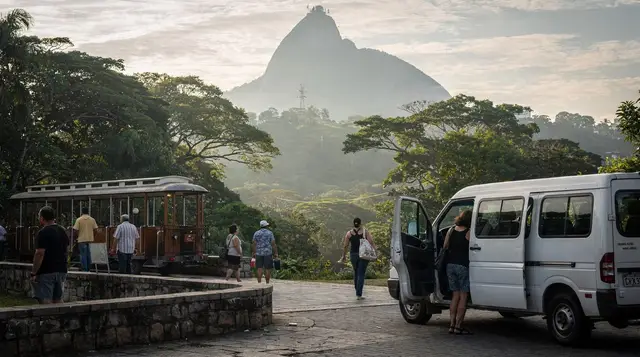
Rio de Janeiro: Christ the Redeemer Guided Hike

Best of Rio in One Day: Christ Redeemer, Sugarloaf & Local Lunch
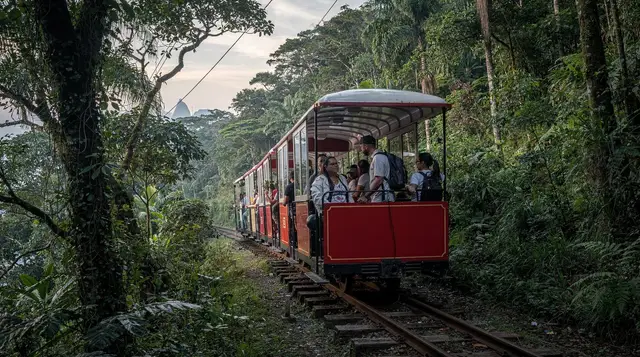
Christ the Redeemer Entry Ticket by Corcovado Train
Photos show the destination, not the operator's own pictures.