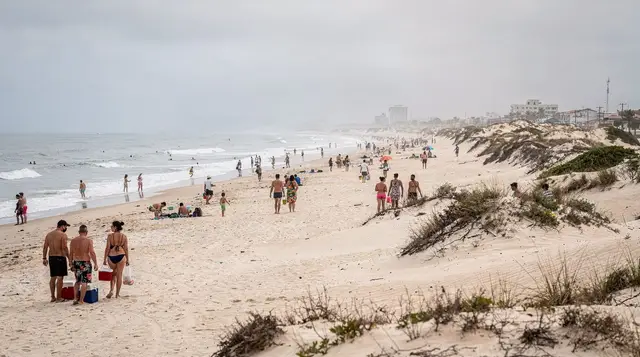
Trindade doesn’t try to be Paraty. There’s no colonial centre, no cobblestones, no UNESCO plaque — just a scattering of guesthouses and surf shacks around three or four beaches, and a set of natural swimming pools that are the actual reason people make the trip. There’s also no packaged tour that arranges your day here the way one might for a Paraty schooner trip or a Petrópolis museum visit — this is a plan-it-yourself kind of place, and that self-sufficiency is part of what its regular visitors keep coming back for.
Is Trindade worth visiting, and can it be a day trip from Rio? It’s worth visiting, but treat it as a side trip from Paraty, not from Rio directly. From Paraty it’s a straightforward 30–45 minute hop by local bus, taxi, or car. From Rio, doing it in a single day would mean roughly 9 hours of round-trip travel for an afternoon at the beach — nobody sensible plans it that way. Build Trindade into a Paraty stay instead. For the fuller case on whether to sleep over on the Costa Verde or push straight back to Rio, see the day trip or overnight guide.
| Where | South of Paraty, on the Costa Verde coast |
| Cost | Guesthouses ~R$120–220/night; meals ~R$45–75pp; local bus a few reais, taxi R$60–90 one-way from Paraty |
| Time needed | Half a day from Paraty, or 1–2 nights to stay in the village |
| Getting there | Bus or car to Paraty (~4hrs from Rio), then local bus/taxi (~30–45 min) |
| Best time | April–October for calmer seas; check tide tables for the natural pools regardless of season |
Getting there
There’s no direct bus from Rio to Trindade — every route goes through Paraty first. From Rio, take the Costa Verde bus (or drive) to Paraty (about 4 hours — the Paraty from Rio guide covers the route options in full), then continue by local bus, shared van, or taxi to Trindade (another 30–45 minutes on a winding coastal road). Local buses run several times a day from Paraty’s bus terminal and cost only a few reais; a taxi runs roughly R$60–90 one-way if you’d rather skip the wait.
Shared transfer from Rio to Paraty, round tripIf you’re driving, the road in is narrow and unpaved in stretches near the village itself — nothing that requires a 4x4, but not a road to rush.
Once you’re in Trindade, the village itself is small enough to walk everywhere within its centre, and the beaches beyond it (the natural pools, Cachadaço, Praia Brava) are reached on foot along coastal paths rather than by any kind of local transport. There’s no real public transport within Trindade itself — it’s a walking village, and part of its appeal is exactly that lack of traffic and vehicle noise.
The village
Trindade grew out of a fishing community and, more recently, a countercultural surf and backpacker scene that took root in the 1970s and never entirely left — there’s still a loose, unhurried feel to the place that’s different from anywhere else on this coast. Guesthouses are simple (pousadas and hostels rather than resorts), running roughly R$120–220/night for a basic double, and there’s no large hotel chain presence at all. This is intentional; locals have resisted large-scale development for decades, and the village’s character depends on it staying that way.
There’s a main beach in the village centre good for a swim, but the real draws are a short walk in either direction.
The countercultural roots run deeper than a marketing tagline — in the 1970s, during Brazil’s military dictatorship, Trindade became something of a refuge for artists, musicians, and young people looking to drop out of mainstream city life, drawn by the same isolation that had kept the village a simple fishing outpost for centuries. That history is part of why development here still looks so different from Búzios or even Paraty: informal community rules and a genuine local resistance to large hotel investment have kept Trindade small and unpolished on purpose, not by accident or lack of interest from developers.
The other beaches
Beyond the natural pools and Cachadaço, Trindade has a handful of smaller beaches worth knowing about depending on what you’re after. Praia do Meio, right in the village centre, is the most convenient for a quick swim without any walking, though it’s also the busiest and least distinctive. Praia do Cepilho, a short walk south, has a heavier, more powerful shore break that draws bodyboarders and is generally considered too rough for casual swimming — worth a look if you want to watch rather than swim. Praia Brava, further out and reached by a longer walk or a short drive, is quieter still and a good option if the main pools and Cachadaço feel crowded in high season.
None of these beaches has the built-up infrastructure of a Rio city beach — no chair rental stands lining the sand, no constant vendor traffic — which is either the appeal or the drawback depending on what kind of beach day you’re after. Bring your own umbrella, water, and snacks if you’re settling in for more than an hour or two at any beach beyond Praia do Meio, since none of them have the kiosk density of Copacabana or Ipanema.
The natural pools (Piscina Natural)
A cluster of rock pools carved into the coastline, filled and refreshed by the tide, with startlingly clear water when conditions are right. At low tide, the pools are calm and shallow enough for easy swimming and light snorkelling; at high tide, waves break over the rocks and swimming becomes genuinely dangerous — check tide times before you go, and don’t ignore the warning if the sea looks rough. Locals and the handful of lifeguards present in high season will wave people out of the water when conditions turn; take it seriously.
The walk to the pools from the village centre takes 15–25 minutes over rocky terrain — flip-flops work but proper water shoes are more sensible, since the rocks are sharp and slippery in places.
Cachadaço
A short hike (20–30 minutes, moderate) from the village leads to Cachadaço, a beach and viewpoint with a scattering of large granite boulders and a clear view along the coast. It’s less crowded than the natural pools and a good spot for a swim without the tide-timing anxiety of the Piscina Natural, though the approach involves scrambling over rocks in a couple of spots.
There’s minimal infrastructure here — a couple of informal drink stands in high season, nothing guaranteed the rest of the year — so bring water and snacks if you’re spending a few hours.
Beyond Cachadaço, informal trails continue further along the coast toward even more remote coves, used mostly by locals and long-term visitors rather than day-trippers. These aren’t signposted or maintained to any consistent standard, and going beyond Cachadaço without local knowledge of the route isn’t recommended — ask at a guesthouse if you’re interested in pushing further, rather than following an unclear trail on your own.
Surfing
Trindade has a real, if unglamorous, surf scene — smaller and more local than Niterói’s Itacoatiara, with a handful of beach breaks that work best with the right swell direction. There’s no established surf-school infrastructure of the size you’d find in Rio; ask at a guesthouse or the village’s few surf shops for a board rental or lesson, and expect an informal, ask-around arrangement rather than a fixed-price tourist operation.
Eating in Trindade
Food here is simple and mostly seafood-focused, served in small, family-run restaurants rather than anything resembling a resort dining scene. Expect grilled fish, moqueca, and shrimp dishes on most menus, running roughly R$45–75 per person for a full meal — noticeably cheaper than a comparable dinner in Paraty, another sign of how little this village has been built up for a higher-spending tourist crowd. A few juice and açaí stands cluster near the main beach for a quick lunch between the pools and Cachadaço.
Don’t expect much variety after 9 or 10pm — kitchens close early relative to Rio or even Paraty’s more active evening scene, in keeping with the village’s generally unhurried, early-to-bed rhythm.
Where to stay
Accommodation in Trindade is almost entirely small, family-run pousadas and a handful of hostels — there is no branded hotel here, and that absence is deliberate rather than a gap in the market. A basic double runs roughly R$120–220/night; nicer rooms with a sea glimpse or a pool push toward R$300–400/night in high season, but even the pricier options are modest by Zona Sul standards.
Book ahead for weekends and the December–February peak, since the village has genuinely few rooms overall and popular guesthouses fill fast; midweek outside peak season, walking in and asking around is still realistic. Staying in the village itself rather than day-tripping from Paraty is really only worth the extra logistics if the quiet, empty-beach evenings matter to you — for anyone who just wants the natural pools and a meal, a day trip covers it.
A day in Trindade, hour by hour
For travellers doing this as a half-day trip from Paraty, a workable rhythm looks like: arrive by mid-morning bus or taxi, check the tide table and head straight for the natural pools if low tide falls in the morning (roughly 15–25 minutes on foot from the village centre); swim and explore the rock pools for an hour or two; walk back into the village for a simple seafood lunch; then, if there’s time and energy left, the 20–30 minute hike out to Cachadaço for a quieter swim and the view before heading back to Paraty by late afternoon. If low tide falls in the afternoon instead, simply flip the order — Cachadaço first, pools second — since Cachadaço doesn’t depend on the tide the way the Piscina Natural does.
When to go
April through October generally brings calmer seas, which matters more here than at most beach destinations given how tide-dependent the natural pools are — a calmer sea makes the low-tide window safer and the water clearer for the short time it’s swimmable. December through March is warmer but brings a higher chance of rough seas and rain that can make both the natural pools and the walk to Cachadaço less appealing, on top of being the busiest and priciest period for the handful of guesthouses in the village.
Regardless of season, plan around the tide table specifically for the natural pools — check times before you set out, since the window for safe swimming can be just a few hours around low tide, and there’s no point making the walk out only to find the pools unswimmable.
Should you stay the night, or just visit for a few hours?
If you’re already staying in Paraty, a half-day trip to Trindade — natural pools in the morning, lunch in the village, back by mid-afternoon — covers the essentials without needing to change accommodation. If a slower, more unplugged pace is what you’re after, staying a night or two in the village itself is worth considering: Trindade at dusk, once the day-trippers from Paraty have left, is genuinely quiet in a way few beach towns on this coast still manage.
It is not, however, a place with much to do after dark — a few simple bars and restaurants, no real nightlife. Travellers looking for evening activity are better served staying in Paraty and visiting Trindade by day.
Practical logistics: fitting Trindade into a Costa Verde trip
For most travellers on the standard Rio–Paraty–Ilha Grande loop, Trindade fits best as a half-day detour on either the way into or out of Paraty, rather than a separate overnight stop that requires its own accommodation booking. Since local buses run several times a day between the two, there’s no need to plan far in advance the way you would for a boat to Ilha Grande — you can decide the morning of, based on weather and how the natural pools’ tide window lines up with your schedule.
If you’re driving the Costa Verde route yourself, Trindade is an easy stop to fold into a day that also includes time in Paraty itself, since the drive between the two is short and the road, while narrow, doesn’t require doubling back on yourself.
Frequently asked questions about Trindade
Can I visit Trindade without a car?
Yes — local buses run from Paraty’s bus terminal several times a day, and taxis are readily available for a fixed fare if you’d rather not wait for a bus. You don’t need to rent a car for this leg specifically.
Is the natural pool safe to swim in?
Yes, at low tide, when it’s calm and shallow. At high tide, waves break over the rocks and it becomes dangerous — check tide times before you go and don’t swim if conditions look rough, regardless of what the tide chart says.
How does Trindade compare to Paraty?
They’re genuinely different: Paraty is a preserved colonial town with a UNESCO-listed historic centre and organized boat tours; Trindade is a small, unpolished surf village with natural pools and no real “sights” beyond the coastline itself. Read Paraty’s page for the fuller contrast.
Is Trindade worth an overnight stay, or is a day trip enough?
A day trip from Paraty covers the natural pools and Cachadaço comfortably. An overnight is worth it mainly for travellers who want the village’s quieter evening atmosphere or more time to explore the surf beaches without a return-bus deadline.
Is there an ATM in Trindade?
Unreliable — don’t count on one. Bring enough cash from Paraty, where ATMs are more dependable, to cover your stay.
What should I bring for the natural pools?
Water shoes or sturdy sandals for the rocky approach, reef-safe sunscreen, and a dry bag if you’re carrying a phone or camera — several of the pools require a short scramble over wet rock to reach.
Is Trindade suitable for families with young kids?
The village itself is relaxed and low-traffic, which suits families, but the natural pools’ tide-dependent safety and the rocky walk to Cachadaço are better suited to older children who can manage uneven terrain and follow safety instructions about the tide.
Why doesn’t Trindade have big resorts like Búzios?
A combination of geographic isolation (the narrow access road historically discouraged large-scale development) and a genuine local resistance to it, dating back to the village’s countercultural roots in the 1970s. Residents and long-time visitors have actively pushed back against major hotel investment, and the village’s small-guesthouse character is the result.
What’s the best time of day to visit the natural pools?
Whenever low tide falls during daylight hours on the day you visit — check a tide table rather than assuming a fixed time of day, since low tide shifts throughout the month. Arriving as the tide is dropping, rather than right at its lowest point, generally gives the longest usable window.
Does Trindade get crowded?
It can, particularly at the natural pools on weekends and during the December–February peak season, when day-trippers from Paraty and beyond fill the access paths and parking areas. Weekday visits, especially outside peak season, are noticeably quieter.
Can I combine Trindade with Ilha Grande in the same trip?
Not directly by boat — there’s no direct water link between the two. The practical route is Trindade → back to Paraty → onward boat to Ilha Grande, which works well as part of a longer Costa Verde loop that treats Paraty as the hub connecting both. See Ilha Grande vs Paraty if you’re deciding how to split limited time between the two, and the Rio and Costa Verde itinerary for how Trindade fits into a longer loop that also takes in Petrópolis on the other side of the city.
Shuttle and boat transfer from Paraty to Ilha GrandeWhat’s the closest thing to a “sight” in Trindade, if there’s no historic centre?
The natural pools are effectively the village’s headline attraction — there’s no colonial architecture or museum to visit, so the coastline itself, and specifically the tidal rock pools, function as the destination in the way a historic centre would elsewhere on this coast.
Is there mobile signal in Trindade?
Patchy, similar to Ilha Grande — coverage in the village centre is generally workable, but drops off noticeably along the walking trails to the natural pools and Cachadaço. Treat it as another point in favour of the village’s unplugged, slow-paced character rather than a serious inconvenience.
Is Trindade good for solo travellers?
Yes, reasonably — the village’s small size and relaxed pace make it easy to meet other travellers at guesthouses and the handful of shared social spots, and the natural pools and Cachadaço are safe enough to explore alone during daylight hours with the usual tide-awareness precautions in mind.
How does Trindade’s beach scene compare to Rio’s city beaches?
Entirely different in character — no beach-vendor traffic, no volleyball nets or organized beach culture, and far fewer people even at the busiest natural pool access points. It’s the quiet, undeveloped counterpoint to Copacabana or Ipanema, not a smaller version of the same thing.
Does Trindade get mentioned in most Rio guidebooks?
Rarely, and that’s part of its character — it tends to be a word-of-mouth stop for travellers already deep into a Costa Verde itinerary rather than a headline destination in general Rio trip-planning material, which keeps it quieter than its natural pools arguably deserve.
Trindade earns its place on this coast precisely because it isn’t trying to be Paraty — pair a stay in Paraty with a day here rather than attempting it from Rio directly, and see day trips from Rio for which Costa Verde stops actually work as single-day excursions from the city.