
Boteco culture in Rio — the corner bar after dark
What is a boteco and how does it work?
A boteco is a casual, usually family-run bar-café serving cold draft beer (chopp) and small shared plates (petiscos) at plastic pavement tables, open from lunch through late at night. There's no host stand — you sit, a server opens a running tab, and you settle it all at the end. It's the default, everyday version of going out in Rio, cheaper and more local than any club.
The most common night out in Rio isn’t a club
For every visitor heading to a samba house in Lapa, there are ten cariocas sitting at plastic tables outside a corner bar with a round of chopp and a plate of pastéis, doing what most of Rio actually does most nights: going to the boteco. It’s the default social unit of the city after work and after dinner — low-key, cheap, unticketed, open to sitting for twenty minutes or four hours, and it exists in every neighbourhood, not concentrated in one nightlife district the way clubs are. Understanding boteco culture is, in a real sense, understanding what an ordinary Rio evening looks like, as opposed to the produced version of nightlife most guides lead with.
This page covers the ritual — the beer, the food, the tab, the tables spilling onto the pavement. For a menu-first, food-focused walkthrough of specific dishes and how to order them, see boteco guide Rio, a companion piece with a different angle on the same institution.
| What | Casual pavement-table bar, chopp and shared petiscos |
| Cost | Around R$60-100/person for a full evening |
| When | Lunchtime through well past midnight, no fixed peak hour |
| Best areas | Botafogo, Santa Teresa, a block back from Copacabana/Ipanema |
| Booking | None needed — no reservations, just find a table |
Chopp: the beer that defines the boteco
Chopp — draft beer, almost always a light pilsner-style lager (Brahma, Antarctica, or a growing number of local craft options) — is the boteco’s central product, served ice-cold in a small glass (300ml is standard) rather than a large one, specifically so it stays cold to the last sip; a big glass that goes warm halfway through is considered a mark of a bad boteco. A round runs R$8-14 (roughly $1.50-3) per small glass, and the ritual is to order a few in succession rather than one large one — a good server keeps count without being asked and a good table keeps drinking at a pace that matches the conversation, not the other way around.
Petiscos: the food that makes it a meal, not just a bar
Petiscos — small shared plates, closer to Spanish tapas than to bar snacks — are ordered continuously through the evening rather than as a single course. The essentials to know: pastel (a thin, deep-fried pastry filled with cheese, meat, or hearts of palm), bolinho de bacalhau (salt cod fritters), coxinha (a teardrop-shaped fried chicken croquette), and linguiça acebolada (grilled sausage with onions) turn up on nearly every boteco menu, typically R$25-45 (roughly $5-9) per shared plate.
A table of three or four ordering two or three petiscos across an evening, alongside their chopp, is the normal rhythm — not one dish each, but a few dishes shared across the whole table as they run out. Full dish-by-dish detail is in what to eat in Rio and street food in Rio.
The tab, and how it actually works
Almost no boteco expects payment per round. A server opens a running tab — sometimes a paper slip left on the table, sometimes tracked digitally — and everything ordered through the evening gets added to it, settled once at the end when you ask for the bill (a conta, por favor). Losing the paper slip is a real minor crisis at some old-school botecos, since it’s occasionally the only record of what a table ordered — keep it weighted under a glass rather than in a pocket where it can blow off a pavement table. Splitting the bill evenly across a group at the end, rather than tracking who ordered what, is the normal and expected approach.
The pavement tables, and why they’re half the appeal
A defining boteco image is the plastic tables and stools spilling out of the bar itself onto the pavement, often narrowing the footpath to a single-file gap pedestrians squeeze through without complaint — this is normal, tolerated, and part of the texture of a Rio street at night rather than an obstruction anyone minds. Sitting outside, watching the street, is generally preferred over sitting inside even in cooler months, and a boteco with genuinely no outdoor seating is the exception rather than the rule. This spillover is also part of what makes botecos comfortable for a first-time visitor — there’s no host stand to navigate, no reservation system; you find an open table or ask to squeeze in at one with space, and a server comes to you.
Where the best boteco streets are
Botafogo has one of the densest and most consistent boteco scenes in the city, largely local, largely affordable — see Rio bar crawl guide for the specific streets. Santa Teresa, up the hill from Lapa, has a smaller number of genuinely old-school botecos worth the trip on their own merits, in a neighbourhood that reads more bohemian and slower-paced than the beach districts. Copacabana and Ipanema both carry a dense scattering of neighbourhood botecos a block or two back from the beachfront avenues, cheaper and more local than the beachfront restaurants themselves.
a combined Lapa and Santa Teresa tour is a useful way to see both neighbourhoods’ distinct characters in one outing, useful groundwork before returning independently for a boteco evening once you know the streets.
Boteco vs bar vs botequim vs pub — the vocabulary
Cariocas use “boteco” loosely to cover a range from a genuinely tiny, family-run corner spot with three tables to a larger, still-casual bar with a full kitchen and dozens of tables — the defining feature is the informal, plastic-chair, running-tab format rather than the size. A botequim is essentially a synonym, slightly more traditional-sounding. A “pub” in Rio usually signals a more Western-style bar — craft beer taps, a curated cocktail list, sometimes live music inside rather than a band in the corner — and sits at a different price point, closer to the Baixo Leblon strip covered in Rio bar crawl guide than to the boteco tradition.
a Barra da Tijuca walk and food tour with drinks covers the boteco and casual dining scene of Rio’s western beach district, a useful option if your trip includes Barra da Tijuca rather than only the classic Zona Sul neighbourhoods.
What time a boteco actually runs
Unlike a club with a defined peak, a boteco has no single “right” hour — the same table can be full at 6pm with people stopping after work, or at 11pm with a later crowd settling in after dinner elsewhere. Most stay open well past midnight, some considerably later, without the loud, produced late-night energy of a Lapa club. This makes a boteco genuinely useful as a low-key start to a bigger night — a couple of chopp and a plate of petiscos before heading to Lapa or a gafieira — or as the entire night on its own.
The boteco as a daytime and early-evening institution too
Nothing about a boteco is exclusive to night — the same tables that fill after dark are often busy from lunchtime onward, serving as a neighbourhood’s default meeting spot across the entire day. Rio’s boteco culture is arguably better understood as a continuous social institution that happens to run into the night rather than a nightlife venue that opens in the evening, and one of the more pleasant low-key Rio experiences is a Sunday afternoon boteco session — a plate of petiscos, a few chopp, and no particular schedule to keep.
Sunday on the Avenida Atlântica and what locals actually do on Sunday both touch on this daytime-into-evening rhythm in more depth.
Regional variations across Rio’s boteco scene
Not every boteco is identical, and the differences track the neighbourhood. Botecos in older, more traditional parts of the city — Santa Teresa, parts of Centro — tend to run smaller menus, more old-school decor, and prices that lean cheaper. Botecos in the beach neighbourhoods, particularly closer to the beachfront avenues in Copacabana and Ipanema, run larger, sometimes brighter, more modern rooms with slightly higher prices reflecting the tourist and higher-income local foot traffic.
A small but growing number of “new-wave” botecos, mostly in Botafogo and parts of Leblon, apply craft-beer taps and a more curated menu to the same basic format — still recognisably a boteco in structure, but with a more contemporary execution. None of these variations changes the core ritual; they’re different flavours of the same institution.
The boteco’s role in a longer Rio itinerary
For a visitor spending several days in Rio, working at least one or two boteco evenings into the schedule — rather than only club or samba house nights — gives a genuinely different, lower-key picture of the city that most of Rio’s other nightlife formats don’t offer.
It’s also the easiest format to combine with an otherwise low-energy evening: after a full day at the beach or hiking Tijuca National Park, a boteco table nearby asks nothing of you beyond sitting down, in contrast to the planning and stamina a full Lapa night requires. See Rio de Janeiro in four days or The first-timer’s Rio itinerary for where an evening like this fits into a broader plan.
Ordering like you belong there — a few phrases that help
“Um chopp, por favor” (one draft beer, please), “mais um” (another one), and “a conta, por favor” (the bill, please) cover most of a boteco interaction. Pointing at a neighbouring table’s petisco and asking “o que é isso?” (what’s that?) is completely normal and usually gets an enthusiastic answer rather than an eye-roll. Full phrase list at Portuguese phrases for Rio and the wider ordering ritual at how to order in a boteco.
The football-and-boteco pairing
Watching a football match at a boteco with a big screen and a packed room is one of the most genuinely communal experiences a visitor can have in Rio, particularly during a Flamengo, Fluminense, Vasco, or Botafogo match — the noise, the shared reactions, and the running commentary from the table are as much the draw as the football itself.
Any boteco near Botafogo or Maracanã fills for a big derby, and joining a table for a match is a natural, low-effort way to feel part of a genuinely local ritual without needing a ticket to the stadium itself. See how to see a football match in Rio and Flamengo vs Fluminense for the stadium-going version of the same passion.
Botecos and caipirinha vs cachaça culture
While chopp dominates as the default order, most botecos carry a full cachaça selection behind the bar, and ordering a shot of a specific label rather than a mixed caipirinha is a normal, unremarkable request — older regulars in particular often drink cachaça neat, sometimes with a slice of lime on the side rather than muddled in. A good boteco’s cachaça list is worth asking about if the trip includes any real interest in the spirit itself rather than only the mixed drink most visitors know it from; full detail on the wider category at caipirinha and cachaça.
What separates a good boteco from a mediocre one
The honest local markers: chopp served genuinely ice-cold in a small glass rather than a large one that warms; a kitchen that’s still cooking petiscos fresh rather than reheating from a tray; a crowd that includes visibly regular customers greeted by name rather than only passing foot traffic; and a reasonable, transparent bill at the end rather than a padded one. None of these require research or a guidebook recommendation to spot — they’re observable within the first ten minutes of sitting down, which is part of why boteco-hopping rewards a bit of instinct and a willingness to walk into a second option if the first doesn’t feel right.
Getting home from a neighbourhood boteco
Because botecos are spread through residential neighbourhoods rather than concentrated in one nightlife zone, the getting-home question is usually simpler than a Lapa night — most boteco evenings end a short walk or a short rideshare from where you’re staying, in a neighbourhood with steady evening foot traffic. The same core habits still apply: keep cash in small notes for the tab, don’t leave a phone on the table unattended, and see nightlife safety in Rio for the full picture.
Why the boteco is worth prioritising over a “bigger” night out
It’s tempting, on a short trip, to fill every evening with a headline experience — a samba show, a club, a produced night out — and skip the boteco entirely as too ordinary to bother with. That’s a mistake specific to Rio: the boteco is not a lesser version of a night out, it’s the version that reveals how the city actually lives, in a way none of the ticketed, produced experiences in this cluster can. A single boteco evening, done properly with no particular agenda beyond a few rounds and a plate of petiscos, tells you more about ordinary Rio than most single days of sightseeing.
Frequently asked questions about boteco culture
Do I need a reservation for a boteco?
No — almost none take reservations. Show up, find or ask for a table, and a server will come to you.
How much should a boteco evening cost?
A comfortable evening — several rounds of chopp and two or three shared petiscos across a small group — runs R$60-100 (roughly $12-20) per person, among the cheapest ways to spend a Rio evening.
Is tipping expected at a boteco?
A 10% service charge is often already added to the bill; check before adding more. Full detail at tipping in Brazil.
What’s the difference between a boteco and the tourist samba dinner shows?
Entirely different categories — a boteco is an everyday, unticketed local bar; a samba dinner show is a produced, ticketed entertainment product. See samba clubs in Rio for the full comparison.
Can I just order food without drinking?
Yes — nobody requires a beer order, though most tables do order at least one round alongside their petiscos.
Are botecos safe to sit at late at night?
Yes, generally — a boteco with tables full of regulars on a residential street is one of the lower-risk nightlife settings in Rio. The usual caution applies to the walk to and from it after dark; see nightlife safety in Rio.
Which neighbourhood has the best botecos?
Botafogo for density and value, Santa Teresa for atmosphere and history, and a scattering of solid options a block back from the beach in Copacabana and Ipanema.
Do botecos serve breakfast or only later in the day?
Some do, particularly in Centro and Botafogo, opening early for coffee and a light bite before shifting into a full lunch and evening menu — but this varies by venue rather than being a fixed rule across the category.
Is it rude to stay for hours without ordering much?
Not particularly, as long as the table keeps ordering something occasionally — a single round nursed for three hours at a busy table on a Friday night is more likely to draw a polite nudge than an outright complaint, but a slow, steady pace of drinks and petiscos over a long evening is well within normal boteco behaviour.
Rio food & drink tours on GetYourGuide
Verified deep-linked GetYourGuide tours. Book through these links and we earn a small commission at no cost to you.
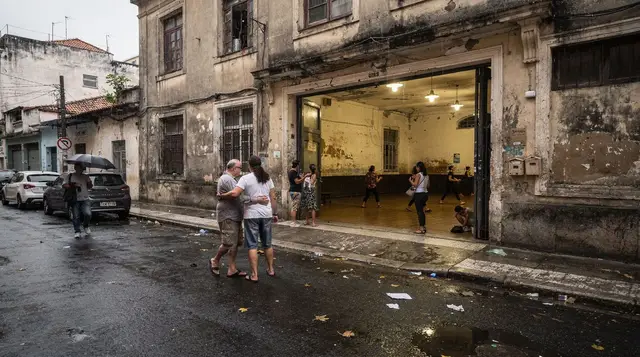
Rio: Pub Crawl in Lapa with Cachaça Tasting and Live Samba

Full Day in Rio: Christ, Sugarloaf, Selarón & Barbecue Lunch
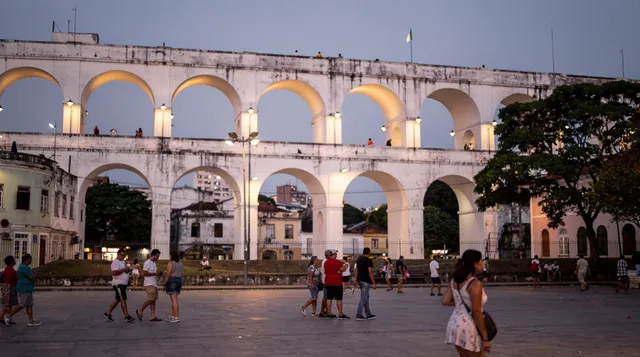
Rio de Janeiro: Brazilian Music at Rio Scenarium with Dinner
Photos show the destination, not the operator's own pictures.