
How to order in a boteco
A boteco is a small, informal bar-restaurant, usually with a few sidewalk tables, cold beer, and a short menu of shareable snacks — the single most common social setting in Rio, and the one most first-time visitors either avoid out of uncertainty or muddle their way through without understanding the actual system. It’s not complicated once you know it, and knowing it turns an average night into a genuinely good one.
| Say | ”Chopp” for draft, “a conta” for the bill |
| Order | 2-3 petiscos to share, not a starter each |
| Pay | On the comanda tab at the end, not per round |
| Cost for two | Roughly R$70-110 ($13-20) with a few rounds |
| Tip | Usually already on the bill as 10% service |
Step one: sit down anywhere that’s free
Botecos rarely have a host or a strict seating system — walk in, take an open table, and a server will find you shortly. If it’s busy, standing at the bar or a shared standing table is completely normal too, especially at the more crowded, well-known spots. The boteco culture guide covers the etiquette of squeezing into a full house.
Step two: order “chopp,” not “cerveja”
If you want draft beer — and you generally do, it’s fresher and central to the whole ritual — ask for “chopp” (pronounced roughly “shop-ee”), not “cerveja,” which will get you a bottle instead. Chopp comes in small glasses, usually 300ml, served ice cold and topped up with a fresh round as soon as yours empties; ordering “cerveja” specifically means you want a bottle, which is also fine, just a different thing. A few more words worth knowing before you go are in Portuguese phrases for Rio.
Step three: order petiscos to share, not a starter each
Petiscos are small shared plates — pastéis (fried, stuffed pastries), bolinho de bacalhau (codfish fritters), linguiça (grilled sausage), torresmo (fried pork belly), a plate of fries with cheese. The normal move at a table of two or more is to order two or three petiscos for the whole table rather than an individual starter each, and keep ordering more as the night goes rather than committing to everything upfront. A full petisco spread for two with a few rounds of chopp typically runs R$70-110 ($13-20). See what to eat in Rio for the wider food picture.
Step four: understand the comanda, the running tab
At most botecos, especially the busier ones, you don’t pay per round — you’re handed a card called a comanda when you sit down, and every order gets marked or scanned against it. You settle the whole tab at the end of the night, not item by item as you go. Don’t lose the card; a lost comanda sometimes means paying a flat “lost card” penalty on top of whatever you actually consumed, since the staff have no other record of your order. Ask for “a conta” (“the bill”) when you’re ready to close it out.
Step five: splitting the bill
Splitting evenly across the table (“dividir” or “rachar”) is the norm for a casual boteco night among friends, even if people ordered slightly different amounts — nobody’s itemising who had the extra pastel. If you want to pay separately, say so early, ideally when you order rather than as a surprise at the end; most places can do it but it’s smoother arranged in advance.
Step six: the tip
A 10% service charge is often already added to the bill, printed near the total — check before adding more. If it’s not included, rounding up or adding roughly 10% is the norm, not the 15-20% expected in some other countries. Full detail on when to add extra and when the 10% already has you covered is in tipping in Brazil.
Where to actually go
Botafogo, Santa Teresa, and pockets of Lapa carry some of the city’s most genuine, unpretentious boteco culture, alongside well-loved spots scattered through Copacabana and Ipanema too. See the boteco guide to Rio for specific names, and the Rio bar crawl guide if you want to string a few together in one night.
If you’d rather have someone show you the good ones on your first night rather than guessing, a local-guided bar and food tour covers several proper botecos and their standout dishes in one evening. If you’d rather focus on one neighbourhood specifically, a Copacabana local bars and food tour is a good fit for a first night based in Zona Sul.
A quick glossary before you go
Beyond “chopp” and “a conta,” a handful of words come up constantly: petisco (a shared small plate), comanda (the running tab card), rachar or dividir (splitting the bill evenly), gelada (an ice-cold beer, used loosely for either chopp or a bottle), and mais uma (“one more,” the phrase you’ll hear and use most often once the rounds start). None of these are essential to memorise perfectly — staff are used to visitors fumbling the pronunciation — but recognising them on a menu or hearing them at the next table removes a layer of confusion from the whole evening.
Reading the room: standing bar vs. table service
The busiest, most famous botecos often run two speeds at once — a packed standing crowd at the bar itself, ordering directly and paying as they go, and a calmer table section with full comanda service. If you walk in and every table looks full, don’t assume the place is closed to you: squeeze into the standing crowd at the counter, order directly from whoever’s pouring, and pay in cash or card right there rather than waiting for a tab. It’s a completely normal way to have a boteco night, especially for a quick stop between other plans, and it tends to be where the most animated conversation with strangers actually happens.
The petisco menu, decoded a little further
Beyond the basics already mentioned, a few more petiscos are worth knowing by name so you’re not just pointing at a laminated photo menu. Isca de peixe is battered, fried fish strips, usually served with lime and a garlic mayo. Camarão à baiana or camarão empanado are shrimp dishes, breaded or in a coconut-milk sauce depending on the kitchen. Aipim frito (or mandioca frita) is fried cassava, a starchy, crisp alternative to fries that a lot of visitors haven’t tried before and end up ordering again.
Queijo coalho is a firm, grillable cheese served on a skewer, sometimes with a drizzle of honey — a small, simple thing that’s genuinely one of the better bar snacks in the country. Splitting three or four of these across a table of four, alongside a running order of chopp, is a completely normal way to make a two-hour boteco session out of a modest amount of food.
When a boteco becomes the whole evening, not just a stop
Part of what surprises visitors used to a bar being a pre-dinner stop is how often a boteco simply becomes the entire night — no separate restaurant booking afterward, just petiscos and chopp for three or four hours while conversation and the crowd carry the evening. If that’s the plan, pace your ordering: a couple of petiscos to start, then more as the table empties rather than everything at once, mirroring how a table of regulars would run the same night. Nobody will rush you to order more or to leave, which is part of why the boteco is such a central, unhurried piece of carioca social life rather than a quick stop on the way somewhere else.
First-timer mistakes worth knowing in advance
The most common stumble is ordering a “cerveja” expecting draft and getting a warm-ish bottle instead — not a mistake anyone will correct for you unprompted, since it’s a valid order, just not the one you meant. The second is trying to pay per round instead of understanding the comanda system, which can visibly confuse staff at a place that runs entirely on tabs.
The third is treating a boteco like a restaurant with a fixed course structure — starter, main, dessert — rather than the looser, continuous grazing-and-drinking rhythm that’s actually how the evening is meant to run. None of these are serious errors, and staff are used to visitors figuring it out mid-meal, but knowing the shape of the evening in advance makes the first one noticeably smoother.
What not to do
Don’t expect table service the moment you sit — flag a server rather than waiting to be noticed, especially at a busy spot. Don’t rush the tab — nobody’s pushing you to close out and leave, and lingering over a slow round of chopp is the entire point of the evening. And don’t skip the cachaça — a proper boteco usually has a house cachaça worth trying neat or in a well-made caipirinha; see caipirinha and cachaça for what to actually order.
Boteco etiquette across the week
A Tuesday-night boteco and a Saturday-night boteco in the same neighbourhood can feel like different places. Weeknights, especially early evening, are calmer — easier to get a table, more locals stopping in for a quick chopp after work, less of a wait. Weekends, particularly a well-known spot in Botafogo or Lapa, get genuinely crowded from mid-evening, with a real chance of no free tables and a longer wait even at the standing bar. Arriving earlier (before 8pm) on a Friday or Saturday sidesteps most of the crush, and the atmosphere shifts noticeably calmer than arriving at 10pm expecting to walk straight in.
If you have dietary restrictions
Petiscos skew heavily toward fried, meat, and seafood dishes, so a vegetarian or vegan visitor needs to look a little harder — queijo coalho (grilled cheese) and a plate of fries cover a basic vegetarian order at most botecos, though a genuinely varied vegetarian spread is easier at a dedicated restaurant. See vegetarian and vegan Rio for spots that go further than the boteco default. Gluten-free visitors should ask specifically, since pastéis and most fried snacks use wheat-based batter or pastry.
Frequently asked questions about boteco etiquette
Do I need a reservation for a boteco?
Almost never — botecos run on a walk-in basis. The most famous ones can have a wait on weekend nights, but you queue rather than book ahead.
What if I lose the comanda card?
Tell staff immediately — most places can reconstruct your order from memory or a register, though some do charge a flat penalty for a lost card, so it’s worth keeping track of it through the night.
Is it rude to order just a drink and no food?
No, though at a busy boteco on a weekend night, ordering at least something small is a normal courtesy given how tables turn over.
How much should I expect to spend for a boteco night out?
For two people with a few rounds of chopp and a shared petisco spread, roughly R$70-110 ($13-20) is typical — real numbers across a wider range of spending are in how much does Rio cost.
Is cachaça the same as rum?
Related but distinct — both are sugarcane spirits, but cachaça is made from fresh-pressed cane juice rather than molasses, giving it a different, often grassier flavour. A proper boteco will have opinions about which one to pour.
Is a boteco different on weeknights versus weekends?
Yes — weeknights are calmer with easier tables and more locals stopping by after work; weekends, especially at well-known spots, get genuinely crowded from mid-evening. Arriving before 8pm on a Friday or Saturday sidesteps most of the crush.
Can I eat vegetarian at a boteco?
To a point — queijo coalho and fries cover a basic order, but the petisco menu skews toward fried and meat dishes. See vegetarian and vegan Rio for spots with a fuller vegetarian range.
Rio food & drink tours on GetYourGuide
Verified deep-linked GetYourGuide tours. Book through these links and we earn a small commission at no cost to you.
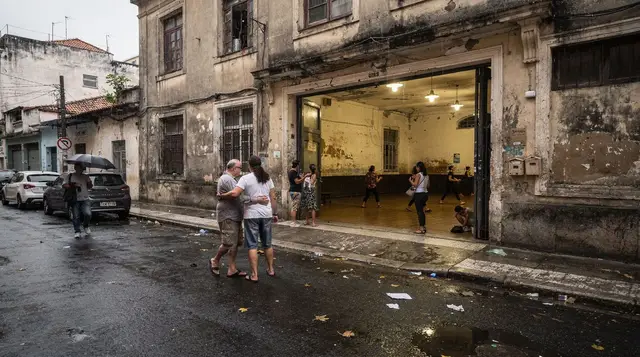
Rio: Pub Crawl in Lapa with Cachaça Tasting and Live Samba

Full Day in Rio: Christ, Sugarloaf, Selarón & Barbecue Lunch
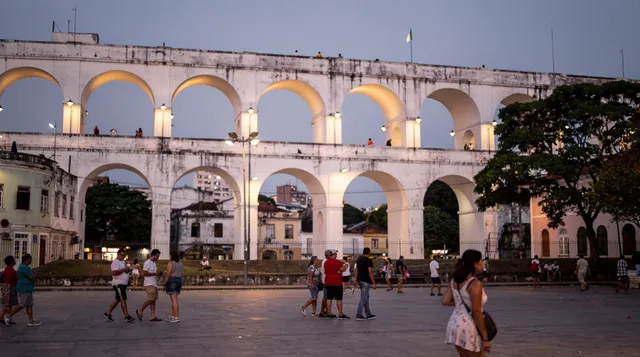
Rio de Janeiro: Brazilian Music at Rio Scenarium with Dinner
Photos show the destination, not the operator's own pictures.