
Caipirinha and cachaça — Rio's real drink, explained
What is the difference between cachaça and rum?
Both are sugarcane spirits, but cachaça is distilled from fresh-pressed sugarcane juice, while rum is typically made from molasses, a byproduct of sugar refining. That difference gives cachaça a grassier, more vegetal flavour, and Brazilian law reserves the name "cachaça" exclusively for spirits made in Brazil.
Cachaça is not “Brazilian rum”
It’s a common shorthand, and it’s not quite right. Both cachaça and rum start from sugarcane, but the process diverges at the beginning: rum is generally distilled from molasses, the thick byproduct left after sugar crystals are extracted from cane juice, while cachaça is distilled directly from fresh-pressed cane juice, with no sugar-extraction step in between.
The result is a spirit with a grassier, more vegetal, sometimes funkier character than most rum — closer in feel to a good agricole rum from the French Caribbean than to a Caribbean molasses rum, if you want a reference point. Brazilian law protects the term: only sugarcane spirit distilled and bottled in Brazil can legally be called cachaça, the same way only sparkling wine from Champagne can use that name.
| What | Sugarcane spirit distilled from fresh-pressed juice |
| Cost (caipirinha) | Around R$18-28 at a boteco |
| Cost (bottle) | R$20-40 industrial, R$60+ artisanal |
| Where to try it | Academia da Cachaça (Leblon), Bar Urca (Urca) |
| Buy to take home | Zona Sul specialty shop over airport duty-free for value |
How cachaça is actually made
Fresh sugarcane is pressed to extract its juice, which is then fermented — a relatively fast fermentation compared with grain spirits, typically just a day or two — before distillation. The distillation method is where the industrial-versus-artisanal split happens technically as well as in marketing terms: continuous column stills run large volumes through in a constant process, producing a clean, consistent, but comparatively neutral spirit efficiently and cheaply.
Pot stills (alambiques), used for artisanal production, distil in individual batches, retaining more of the congeners — the flavour compounds beyond pure alcohol — that give a good artisanal cachaça its complexity, at the cost of consistency and scale. Ageing, when it happens, uses Brazilian hardwoods almost exclusively rather than the oak used for whisky, bourbon, or rum, which is the single biggest reason a barrel-aged cachaça tastes so distinct from other aged spirits — amburana in particular imparts a spiced, almost cinnamon-and-vanilla note unlike anything oak produces.
Artisanal versus industrial — the distinction that actually matters
The single biggest quality gap in cachaça isn’t between brands, it’s between two production methods.
Cachaça industrial is distilled in large continuous column stills, produced at volume, and usually unaged or minimally aged in stainless steel — clean, consistent, and inexpensive. Cachaça 51 and** Velho Barreiro** are the two names you’ll see behind every boteco bar in Rio; both are entirely serviceable in a caipirinha and this is what most bars pour by default unless you ask for something better.
Cachaça artesanal (or de alambique, “of the pot still”) is produced in small batches on individual farms, often aged in native Brazilian woods — amburana, jequitibá, bálsamo — that each impart a distinct colour and flavour completely different from the oak used for whisky or rum.
A well-aged artisanal cachaça, sipped neat like a fine spirit rather than mixed, is a genuinely different experience from the industrial version in a caipirinha, closer to a young brandy or a light rum than the sharp, grassy spirit most visitors expect. Leblon is a well-known premium brand, distilled in Minas Gerais despite the Rio neighbourhood name; specialty bars in the city carry dozens of smaller, harder-to-find artisanal labels worth asking a bartender to recommend.
a private tour to the Sítio Burle Marx estate combined with a cachaça distillery visit is the way to see the artisanal side of production directly — small-batch pot stills and aging barrels rather than a bottle on a bar shelf, if you want to understand what you’re actually drinking.
How a real caipirinha is made — and where the cheap version goes wrong
The classic caipirinha has exactly four ingredients: cachaça, fresh lime cut into wedges, sugar, and ice. The lime and sugar are muddled together in the bottom of the glass first — pressed hard enough to release the lime’s oils and juice, not just its liquid — then the cachaça and crushed ice go in on top and the whole thing is stirred, not shaken. That’s it. There’s no juice mix, no syrup, no pre-made lime cordial.
The version that goes wrong, usually aimed at tourists who won’t know the difference, swaps fresh lime and real sugar for a bottled sour mix or excess simple syrup, producing something sweeter and flatter than the real thing. The tell is simple: if you can’t see muddled lime pulp and pips at the bottom of the glass, it wasn’t made the traditional way. A proper caipirinha runs roughly R$18-28 (US$3.50-5) at a boteco, more at a hotel bar or beachfront restaurant charging for the view.
a Brazilian food and cocktails class in Copacabana spends part of its time specifically on how to muddle and mix a caipirinha correctly — a genuinely useful skill to bring home if you want to make one properly rather than guessing from a recipe online.
The easiest place to see the drink made the right way is an ordinary neighbourhood bar. Our boteco culture guide explains how these corner bars work, and the short blog piece on how to order in a boteco covers the small phrases that make the whole exchange smoother, including how to ask for your caipirinha the way you like it.
Where Brazil’s best cachaça actually comes from
Minas Gerais is the state most associated with high-quality artisanal cachaça production, thanks to a combination of altitude, soil, and a long tradition of small family-run distilleries dating back generations — the Leblon brand mentioned above is a Minas product despite its Rio neighbourhood name, and it’s a genuinely common pattern for premium cachaça to carry a Rio-associated brand name while being distilled hundreds of kilometres away.
Closer to Rio itself, Paraty, on the Costa Verde coast, has its own centuries-old cachaça tradition — colonial-era sugar and cachaça production was central to the town’s original wealth, and several working distilleries there still produce and sell cachaça the traditional way, some open for visits as part of a day trip from Rio. If a distillery visit interests you beyond the city-based tour options, pairing it with a Paraty trip gets you both the history and the destination in one outing.
Variations worth knowing
A caipiroska swaps cachaça for vodka — common on menus, but not a caipirinha in the traditional sense, more a nod to visitors who find cachaça’s flavour unfamiliar. A sakerinha uses sake instead. Fruit variations are everywhere and genuinely good: caipirinha de morango (strawberry) and caipirinha de maracujá (passion fruit) muddle the fruit in alongside the lime, cutting some of the spirit’s sharpness — a reasonable entry point if a straight lime caipirinha feels too strong on the first try.
Tasting cachaça the way you’d taste whisky
If you’re at a bar with a serious cachaça list, sipping a premium aged bottle neat, rather than only ever ordering it mixed into a caipirinha, is worth doing at least once — it’s the only way to actually taste what the wood ageing contributes, since lime and sugar mask most of a spirit’s finer character.
A short glass, no ice, small sips, is the standard approach; some bars serve it alongside a small piece of dried fruit or a coffee bean as a palate cleanser between tastes, similar to a whisky flight elsewhere. Staff at a dedicated cachaça bar are generally glad to walk a curious visitor through two or three different styles side by side — industrial versus artisanal, unaged versus wood-aged — if you ask rather than default straight to a mixed drink.
Where to drink one properly
Academia da Cachaça, in Leblon, is the reference point for the drink in Rio — a long-running bar built entirely around cachaça, with a list running into dozens of labels from industrial to rare artisanal bottlings, alongside a full food menu of petiscos to go with it. It’s the place to go if you want to actually taste the range rather than just order a caipirinha and move on. Bar Urca, in Urca, is a more casual, sunset-facing option — order a caipirinha, take it to the seawall outside, and watch the light change over Guanabara Bay.
a sunset tour that includes a caipirinha pairs the drink with exactly that kind of view-first evening, useful on a night you’d rather not plan the logistics of getting to a specific bar at the right hour yourself.
If you would rather improvise, sunset spots in Rio lists other places where a drink and the evening light go well together, and the Rio bar crawl guide helps you string several stops into one night.
Cocktails beyond the caipirinha
Cachaça’s use in Rio’s bars doesn’t stop at the classic lime version.
A batida is a broader family of cachaça cocktails, typically blending the spirit with fruit juice or purée and condensed milk for a sweeter, creamier drink — batida de coco (coconut) and batida de maracujá (passion fruit) are the two most commonly found on menus, and both are noticeably gentler and sweeter than a straight caipirinha, a reasonable choice if the sharper lime version isn’t to your taste.
A cachaça sour, built on the same logic as a whisky sour — spirit, citrus, sugar, egg white for texture — turns up on more cocktail-forward bar menus in Zona Sul, aimed at a crowd wanting something closer to an international cocktail format while still showcasing the spirit. None of these are traditional in the way a caipirinha is, but they’re a reasonable way to explore cachaça’s range if a single drink style starts to feel repetitive over a longer trip.
Cachaça and Lapa’s nightlife
In Lapa, cachaça tastings are often bundled into a bigger night out alongside live samba — the drink and the music share the same cultural home, and doing them together is the standard way locals experience both. See Lapa nightlife guide for the wider circuit, and samba clubs in Rio or live music in Rio if you want to choose the music before the bar.
a Lapa pub crawl with cachaça tastings and live samba is built exactly around that pairing, moving between several bars with a guide rather than trying to find the good ones solo on a first night.
Cachaça also pairs naturally with food. Salty, fried and grilled bar snacks are the classic companions, and what to eat in Rio and street food in Rio give you ideas for what to order alongside a glass, while the feijoada guide covers the hearty meal many Cariocas like to follow with a small pour of cachaça.
Reading a cachaça label
A few label terms are worth recognising when browsing a shelf.
Prata or branca (silver or white) means unaged or very lightly aged in neutral wood or stainless steel — the standard base for a caipirinha. Ouro (gold) or envelhecida (aged) indicates time in wood, usually with a minimum ageing period specified by law depending on the category, giving a rounder, more complex spirit meant to be sipped rather than mixed.
Extra premium or envelhecida categories with a specific wood named on the label (amburana, jequitibá, carvalho — the last being oak, less traditional but increasingly used) signal a producer proud enough of the barrel choice to market it specifically. None of this is essential to enjoying a caipirinha, but it’s useful vocabulary if a bartender at a place like Academia da Cachaça asks what style you’re in the mood for and the list runs to several dozen options.
Buying a bottle to take home
Zona Sul supermarkets stock the industrial brands (51, Velho Barreiro) cheaply, fine for a lower-stakes gift, but a specialty shop or a bar like Academia da Cachaça is the better source for an artisanal bottle worth the extra cost — ask staff for a recommendation in your price range rather than picking blind, since labelling and regional origin aren’t always intuitive to an outside buyer. Expect roughly R$20-40 (US$4-7.50) for a standard industrial bottle at a supermarket, and anywhere from R$60 to several hundred reais for a well-regarded artisanal or aged bottle at a specialty shop, depending on age and producer reputation.
Galeão International Airport’s duty-free shops also stock a curated selection of premium cachaça brands on the way out, a reasonable last-minute option if you didn’t get to a specialty shop in the city — though prices there run a noticeable premium over what the same bottle costs at a Zona Sul liquor store, so it’s worth treating the airport as a backup rather than the primary plan (the Galeão airport guide explains what to expect on the way out, and money and payments in Rio helps with paying for bottles). Bottled cachaça travels fine in checked luggage, wrapped the same way you’d pack any spirit; carry-on liquid restrictions apply if you’re hoping to keep it with you instead.
Frequently asked questions about caipirinha and cachaça
Is cachaça the same as rum?
No — cachaça is distilled from fresh sugarcane juice, most rum from molasses, giving cachaça a grassier, more vegetal character. Only spirits made in Brazil can legally be labelled cachaça.
What’s the difference between industrial and artisanal cachaça?
Industrial cachaça (like 51 or Velho Barreiro) is column-distilled at volume, clean and inexpensive — the default pour at most bars. Artisanal cachaça is pot-distilled in small batches, often aged in native Brazilian woods, and tastes noticeably different, closer to a young brandy.
How much does a caipirinha cost?
Roughly R$18-28 (US$3.50-5) at a typical boteco, more at a beachfront or hotel bar.
Can I ask for a specific cachaça in my caipirinha?
Yes — most bars will substitute a premium or artisanal cachaça for the house pour at extra cost, worth doing at least once to feel the difference.
Is caipirinha very strong?
Yes, in its traditional form — undiluted cachaça, lime, and sugar, no mixer. It’s a short, potent drink, not a long one, and it’s easy to underestimate on a hot day.
What should I drink if I don’t like cachaça’s flavour?
A caipiroska (vodka instead of cachaça) or a fruit variation like maracujá or morango softens the flavour considerably while keeping the same format.
Is it rude to ask for a sweeter or less sweet version?
Not at all — sugar level is adjusted to taste at most bars; just specify “mais doce” (sweeter) or “menos doce” (less sweet) when ordering.
Can I bring a bottle of cachaça home on a flight?
Yes, packed in checked luggage the same as any spirit; airline liquid limits apply only to carry-on.
Is a duty-free cachaça at the airport worth buying?
It’s convenient if you’ve run out of time in the city, but expect to pay a premium over the same bottle at a Zona Sul specialty shop — worth it for the convenience alone, not for the price.
What’s the difference between prata and ouro cachaça?
Prata (silver) is unaged or barely aged, the standard base for a caipirinha. Ouro (gold) has spent time in wood and is meant to be sipped on its own, with a rounder, more complex flavour.
Rio food & drink tours on GetYourGuide
Verified deep-linked GetYourGuide tours. Book through these links and we earn a small commission at no cost to you.
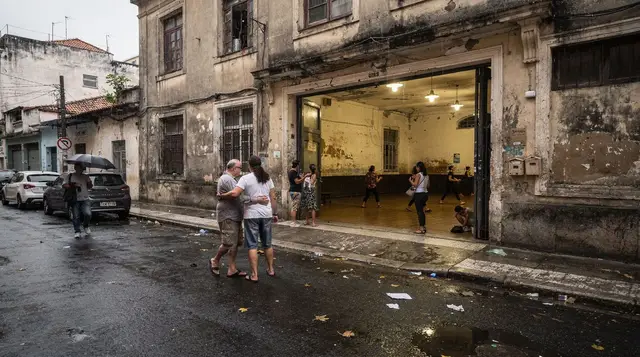
Rio: Pub Crawl in Lapa with Cachaça Tasting and Live Samba

Full Day in Rio: Christ, Sugarloaf, Selarón & Barbecue Lunch
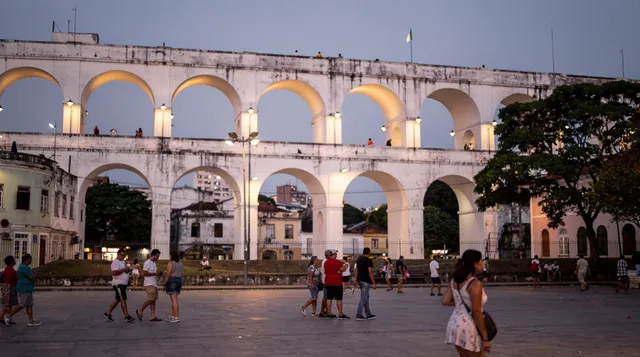
Rio de Janeiro: Brazilian Music at Rio Scenarium with Dinner
Photos show the destination, not the operator's own pictures.