
Surfing in Rio — Arpoador, Prainha, Recreio, and the water quality question
Where is the best place to surf in Rio de Janeiro?
Arpoador, at the point between Ipanema and Copacabana, is the most convenient beginner-friendly break for visitors staying in Zona Sul. Prainha and Recreio, 40-60 minutes west, get more consistent and less crowded waves and are where serious surfers actually go. Avoid the water everywhere in Rio for at least 24-48 hours after heavy rain, when stormwater runoff sharply raises bacteria levels at most city beaches.
A city with real surf, not just beach volleyball
Rio’s beaches are famous for people-watching and football-tennis, but the swell running along this coast is genuine, and the city has a real, longstanding surf culture with its own breaks, its own regulars, and its own etiquette. What visitors actually need to know is less about wave theory and more about geography: which beaches surf well, which are beginner-appropriate, which require a car or a long rideshare, and — the part most tourist guides skip entirely — when the water itself is not something you want to be in, regardless of the swell.
| Beginner-friendly | Arpoador (with a lesson), Recreio/Barra |
| Serious surfers | Prainha, Grumari — 45-60 min west, stronger consistent break |
| Lesson cost | Roughly R$150-250 group, R$300-450 private, 90min-2hrs |
| Board rental only | Roughly R$60-100 for a few hours |
| Water quality rule | Skip the water 24-48hrs after heavy rain, city-wide |
Where Rio actually surfs
Arpoador, the rocky point between Ipanema and Copacabana, is the closest proper break to Zona Sul’s hotel strip and the default choice for visiting surfers and lesson bookings. It’s a reef and rock-bottom point break, meaning it can produce cleaner, more shaped waves than the open beach breaks nearby, but also means more caution around submerged rock at low tide — a lesson with an instructor who knows the exact line is worth it here more than almost anywhere else on this list.
Grumari and Prainha, roughly 45-60 minutes west of Zona Sul by car, are where Rio’s dedicated surf community actually goes. Prainha specifically is a compact, cliff-flanked cove with a stronger, more consistent beach break than anything in the city proper, minus the city crowd — it’s popular with locals precisely because it isn’t easy to reach without a car. Wild beaches of west Rio covers the fuller picture of this stretch, including what’s there beyond the surf itself.
Recreio dos Bandeirantes and Barra da Tijuca run a long, open beach break well suited to beginners and longboarders — less dramatic than Prainha, more forgiving, and considerably easier to reach than the far west beaches since Barra sits on a real road and bus corridor rather than a winding coastal cut. Barra and Recreio beaches has the neighbourhood-level detail on exactly where along this stretch surfs best.
Arpoador in more detail
Arpoador breaks in more than one spot depending on swell direction and tide — the main peak sits just off the rocks at the point, with a second, gentler shoulder further along toward Ipanema that suits beginners better. It’s a short walk from most Zona Sul hotels, has board rental stands right on the sand, and is busy essentially every day with a mixed crowd of tourists on lessons, local regulars, and a genuinely good standard of intermediate-to-advanced surfing on a solid swell — worth watching from the rocks even if you’re not paddling out yourself.
surf lessons at Arpoador is the most centrally located option for anyone staying in Ipanema or Copacabana and wanting a lesson without a long transfer.
Lessons and board rental — what it actually costs
A group surf lesson in Rio runs roughly R$150-250 (about US$28-46) for a 90-minute to two-hour session, typically including board and rash guard rental, with private lessons running higher, often R$300-450. Board rental alone, without a lesson, runs about R$60-100 for a few hours on the beach at Arpoador, Recreio, or Barra — cheaper if you’re renting for a full day rather than a single session. Wetsuits generally aren’t necessary; Rio’s water temperature stays warm enough for boardshorts and a rash guard year-round, one genuine convenience over cold-water surf destinations.
surf lessons with local instructors in Copacabana and Ipanema and the Rio Surf Experience are both worth comparing directly — check the beach location each one actually teaches at (some run lessons at Arpoador, others further along toward Barra) since that affects both wave quality and how far you’ll need to travel.
The crowd, and Rio’s surf etiquette
Arpoador in particular gets crowded on a good swell, and Rio’s surf scene, like most established surf cities, has a real local pecking order — regulars who’ve surfed the same peak for years get priority, and a visiting beginner paddling straight into the main peak without reading the lineup is a fast way to have a bad session.
The practical fix: book a lesson with an instructor who manages positioning for you, and if you’re surfing independently, watch the lineup for ten minutes before paddling out, stay wide of the most crowded peak until you’ve read how it’s breaking, and default to yielding rather than asserting priority as a visitor. This isn’t unique to Rio — it’s how surf etiquette works anywhere with a real local scene — but it’s worth saying plainly since first-timers sometimes assume a lesson bypasses it entirely.
The water quality question after heavy rain
This is the part most Rio surf write-ups leave out, and it shouldn’t be left out. Rio’s drainage system routes a meaningful amount of stormwater — and, during heavy rain, some untreated sewage overflow — into the ocean through outfalls along the city’s beaches, including Zona Sul. After a heavy rain event, bacteria levels at Rio’s city beaches spike sharply for roughly 24-48 hours, sometimes longer after a prolonged storm, and getting in the water during that window carries a real risk of stomach illness, ear infections, and skin irritation — not a theoretical one.
The city posts water quality flags (the posto lifeguard stations along the beachfront display current bathing conditions), and the practical rule locals actually follow is simple: skip the water for at least a day, ideally two, after any significant rain, regardless of how clean the water looks on the surface. This applies to swimming as much as surfing — paddling out at Arpoador the morning after a storm because the swell looks good is exactly the situation that leads to a ruined week of a trip from a stomach bug.
Prainha and the far-west beaches, further from the city’s main drainage outfalls, generally fare a little better after rain than Zona Sul, but “a little better” is not “safe” — the same 24-48 hour rule applies everywhere on this coast. See What to do in Rio when it rains for how to plan around a rainy stretch more broadly, and Beach safety in Rio for the wider beach safety picture beyond water quality specifically.
a surf school session with all equipment included is a straightforward option for a dry-weather day when conditions are actually good — book it for a morning after a run of clear days, not the morning after a downpour.
Rip currents and ocean safety beyond the water quality question
Water quality isn’t the only real hazard here. Rio’s beaches, including Arpoador and the western breaks, have genuine rip currents — locally called valetas — that can pull a swimmer or a weaker swimmer well past the break faster than it feels like it should happen.
Lifeguards (salva-vidas) staff marked posto towers along the main beaches and are worth locating and checking in with before a first session at an unfamiliar spot, especially at Prainha and the far west beaches where the surf is stronger and the lifeguard presence, while real, is thinner than on the packed Zona Sul sand. If you’re caught in a rip: don’t fight it directly back to shore — swim parallel to the beach until you’re clear of the current, then angle back in.
This is standard advice anywhere with rip currents, but it’s worth restating here because Rio’s currents are strong enough, particularly around the Arpoador rocks and Prainha’s cove, to catch confident swimmers off guard. Beach-safety-in-rio covers this alongside the theft and crowd-safety picture for a fuller view of what “safe” means on these beaches.
What to bring for a surf day
Reef booties are worth considering at Arpoador specifically, given the rock and reef bottom near the point — not mandatory, but a genuine comfort and safety upgrade over bare feet if you’re renting a board and paddling out independently rather than going with an instructor who knows the exact channel to enter from. Reef-safe sunscreen matters more here than the label suggests: Rio’s sun at low latitude is strong even on an overcast day, and a surf session runs long enough in the water that a standard beach reapplication schedule doesn’t really apply — put it on generously before you paddle out and expect a couple of hours of exposure without a reapplication break.
A dry bag or a locker service at the beach kiosks (common at Arpoador and Barra, less so at the more undeveloped far-west spots) is worth using for a phone, wallet, and keys rather than leaving them on a towel — see Rio de Janeiro safety guide for why unattended beach belongings are the single most common tourist theft in the city.
Combining a surf morning with the rest of Zona Sul
A dawn or early-morning surf session at Arpoador pairs naturally with the rest of a Zona Sul day — the water is calmer and less crowded before roughly 9am, the light is better for photos from the rocks, and you’re back on dry sand with the whole day still ahead for Ipanema or Copacabana beach time, a caipirinha later, or one of the viewpoints covered in Best viewpoints in Rio.
Surfers heading further out to Prainha or Recreio for the day often make a full loop of it, stopping at the beaches covered in The wild beaches of west Rio on the way back rather than treating the surf session as a separate, isolated errand.
Best season for surf
Rio’s swell is fairly consistent year-round, but the stronger, more organized swells tend to arrive during the cooler months, roughly April through September, while summer (December-March) often brings smaller, softer waves better suited to beginners — see Rio in summer and Rio in winter for the fuller seasonal weather picture, including rainfall patterns that matter for the water-quality question above.
Getting to the far-west breaks
Arpoador is walkable or a short rideshare from any Zona Sul hotel. Prainha, Grumari, and the quieter stretches west of Recreio require a car — either a rental, a rideshare (expect a 45-60 minute ride each way from Ipanema, longer in traffic), or a booked tour that includes transport, which is generally the simpler choice for a single surf day rather than negotiating parking and navigation at an unfamiliar beach. Car-rental-in-rio and Getting around Rio de Janeiro cover the options in more depth.
Already surf — what to book instead of a lesson
If you already surf and just need a board, most rental stands at Arpoador and Barra stock a mix of soft-top longboards for beginners and harder, more responsive shortboards for anyone with experience — ask specifically for a shortboard or a performance board rather than accepting the default beginner setup, since stands often hand out the soft-top first unless you specify otherwise.
Some operators also run guided sessions aimed at intermediate and advanced surfers who want local knowledge of where the peak is breaking that day rather than formal instruction — worth asking for directly if a standard “surf lesson” listing feels aimed at complete beginners. Renting independently and driving yourself to Prainha is also entirely realistic for an experienced surfer comfortable navigating without a guide, and it’s the cheaper route if you don’t need the instruction component at all.
Surf culture beyond the lesson
Rio’s surf scene has a real competitive and community history worth knowing about beyond the practical logistics — local surf clubs at Arpoador and along the western beaches run regular informal competitions, and Brazilian surfers have become a genuine force on the world championship tour in recent decades, a source of real local pride that shows in how seriously the sport is taken here compared with a purely tourist-beach destination. Watching from the rocks at Arpoador on a solid swell day, even without paddling out yourself, is worth doing simply to see the standard of local surfing — regulars here surf at a level that surprises visitors who assumed Rio’s beach culture was mostly about volleyball and sunbathing.
Other water sports along the same beaches
Surfing isn’t the only thing happening in this water — see Kayaking and SUP in Rio for stand-up paddleboarding on the calmer stretches, and Adventure sports in Rio for the full overview of what else is worth doing along Rio’s coast and inland.
Choosing a break: a quick comparison
| Arpoador | Recreio/Barra | Prainha/Grumari | |
|---|---|---|---|
| Distance from Zona Sul | Walkable/short ride | ~30-40 min | 45-60 min, needs a car |
| Best for | Convenience, intermediate+ | Beginners, longboarders | Serious surfers wanting quiet |
| Crowd | Busy daily | Moderate | Local, uncrowded |
| Break type | Reef/rock point break | Long open beach break | Compact, consistent beach break |
A realistic first surf morning, step by step
For a first-time visitor booking a lesson, the shape of a good morning looks like this: arrive at the meeting point around 8-8:30am, before the water gets crowded and while the light is still soft for photos from the rocks; expect 15-20 minutes of land instruction on paddling and pop-up technique before getting in the water; the in-water portion runs the bulk of the 90-minute to two-hour session, with an instructor pushing you into waves and correcting positioning; and the whole thing wraps by mid-morning, leaving the rest of the day free for the beach, a viewpoint, or recovery from sore arms.
Booking the earliest available slot isn’t just about crowds — morning conditions at Arpoador tend to be glassier and more consistent than the wind-affected afternoon session many first-timers default to without realising the trade-off.
Frequently asked questions about surfing in Rio
Do I need to be an experienced surfer to try it in Rio?
No — Arpoador and the Barra/Recreio stretch both have beginner-appropriate spots and lesson providers who teach complete first-timers. Prainha’s stronger break is better suited to those with some prior experience.
Is Arpoador good for beginners?
Partially — the main peak is more suited to intermediate surfers given the reef bottom and crowd, but the gentler shoulder toward Ipanema, especially with an instructor, works fine for a first lesson.
How do I know if it’s safe to get in the water?
Check the posto (lifeguard station) flags along the beachfront for current conditions, and as a firm personal rule, skip the water for at least 24-48 hours after any heavy rain regardless of how it looks.
Can I rent a board without taking a lesson?
Yes — board rental stands operate independently of lesson bookings at Arpoador, Recreio, and Barra, running roughly R$60-100 for a few hours.
Is Prainha worth the trip out from Zona Sul?
Yes, if you want a real, less crowded surf beach rather than a city-adjacent break — but it requires a car or a booked transfer, so it’s a half-day commitment rather than a quick session.
What should I wear to surf in Rio?
Boardshorts or a swimsuit with a rash guard is standard; the water stays warm enough year-round that a wetsuit isn’t necessary.
Is there surf localism I should worry about as a visitor?
Some, particularly at Arpoador on a good swell — read the lineup before paddling out, yield to locals, and consider a lesson with an instructor who manages positioning if you’re new to the spot.
Does the sewage issue affect all of Rio’s beaches equally?
Zona Sul beaches, closer to the city’s main drainage outfalls, are generally more affected after rain than the far-west beaches like Prainha, but the same caution applies everywhere on this coast — “further out” reduces risk, it doesn’t eliminate it.
Can I surf year-round in Rio, or is there an off-season?
Year-round — there’s no true off-season the way there is in a cold-water surf destination, though the cooler months (roughly April-September) bring more consistent, larger swell than the softer summer waves.
Do I need travel insurance that covers surfing specifically?
Worth checking your policy’s wording — some standard travel insurance excludes “extreme” or “adventure” sports outright, and surfing is sometimes caught in that clause even though it’s a low-risk activity with a lesson. Confirm before you paddle out if you’d be relying on the policy for an injury.
Is a morning or afternoon lesson better?
Morning, generally — the water at Arpoador tends to be glassier and less wind-affected before roughly 9-10am, and it’s also the quieter window before the beach and lineup fill up.
Can beginners surf Prainha, or is it only for experienced surfers?
It’s better suited to those with some prior experience given the stronger, more consistent break — beginners are better served starting at Arpoador or the Recreio/Barra stretch before attempting Prainha’s waves.
tours.outdoor-adventure
Verified deep-linked GetYourGuide tours. Book through these links and we earn a small commission at no cost to you.

Rio: Jeep Tour 4 Wonders with Lunch

Hang gliding Hang gliding Experience Rotorfly
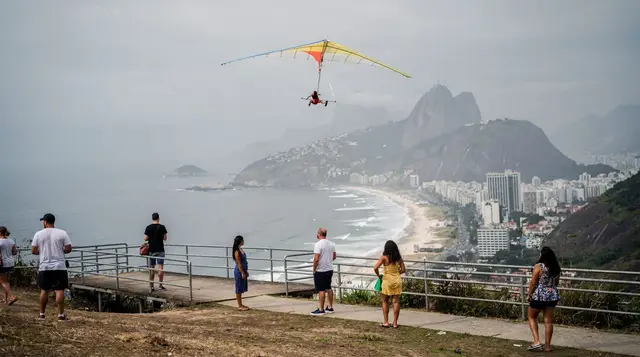
Rio de Janeiro: Pedra Bonita Hike and Hang Gliding Flight Watching
Photos show the destination, not the operator's own pictures.