
Carnival without the Sambadrome — the blocos are often the better Carnival
| Cost | Free (drinks/snacks only); rehearsals sometimes ticketed as a tour |
| When | Bloco season builds January-February, peaking around Carnival |
| Where | Centro, Lapa, Santa Teresa, Ipanema/Leblon |
| Costume | Optional — plain clothes are completely normal |
| Vs Sambadrome | Free and immersive vs. seated, polished, and expensive |
The Sambadrome isn’t the only Carnival, and often isn’t the best one
The Sambadrome parade — the elite samba schools, the elaborate floats, the televised broadcast — is what most people picture when they think “Rio Carnival,” and it’s a genuinely spectacular thing to see once. But it’s also expensive, seated, and, for all its scale, a fairly passive experience: you watch, from a stand, at a fixed distance. It is not remotely the whole of how cariocas actually celebrate Carnival, and for a lot of visitors, the street version is the one they remember more fondly. Full detail on the parade itself, including honest ticket-price ranges, is in Sambadrome tickets explained and the Carnival guide if you do want it as part of your trip.
What a bloco actually is
A bloco is a street party built around a band — drums, brass, sometimes a truck-mounted sound system — that moves through a neighbourhood with a crowd following, singing, and dancing behind it. Some blocos draw a few hundred people; the biggest, like Cordão do Bola Preta in Centro, draw hundreds of thousands and are genuinely among the largest street parties on earth. They’re free to join, require no ticket or costume beyond whatever you feel like wearing, and run throughout Carnival season, not just on the headline days — often starting weeks before the official dates.
Full listing and neighbourhood detail is in carnival blocos guide, and a guided street-party blocos tour is a genuinely useful option if you want a local’s read on which blocos are happening on a given day, since the schedule shifts and isn’t always easy to track down solo.
Samba school rehearsals — the other half
Before the elite samba schools ever reach the Sambadrome, they rehearse — often in their own home neighbourhood, sometimes in a purpose-built rehearsal hall, with the actual costumed dancers, the full drum section (the bateria), and a crowd of neighbourhood regulars who show up for what’s essentially a rolling street party in its own right, months before Carnival proper.
Watching a rehearsal gets you close to the scale and the sound of a top samba school with none of the Sambadrome’s distance or ticket price, and often with a far more local crowd than the parade itself draws. A Salgueiro samba school rehearsal tour covers one of the more visitor-accessible rehearsal nights with a guide who can explain what’s actually happening as it happens. Full detail on the rehearsal calendar and etiquette is in samba school rehearsals.
What a bloco actually feels like, hour by hour
A typical bloco has a loose, recognisable shape. It starts at a published time and location — often a square or a wide street — with the crowd gathering loosely around the band before it starts moving; the first twenty minutes or so are usually the easiest to navigate, with room to move and find a good position near the music. As the bloco gets underway and moves through its route, the crowd thickens and the energy builds, typically peaking thirty to ninety minutes in depending on the bloco’s size.
Most run for two to four hours total, winding down gradually rather than stopping abruptly, with the crowd thinning as people peel off for food, a bar, or simply to rest before the next one. Arriving near the published start time, rather than trying to catch it mid-route once it’s already dense, makes the whole experience easier to navigate, especially for a first-timer unfamiliar with the format.
The cost of the street version
This is where blocos and rehearsals genuinely outshine the Sambadrome on value: beyond the optional cost of a guided tour, a day of bloco-hopping costs whatever you choose to spend on street food and drinks from vendors along the route — often the equivalent of a few dollars for a full afternoon out.
Compare that to Sambadrome tickets, which run from a moderate seated price into genuinely expensive box and grandstand territory depending on the night and sector, covered in full in Sambadrome tickets explained. For a budget-conscious trip, or simply for travellers who’d rather spend Carnival money on more days in Rio than fewer, the street version is the more sustainable way to experience the season without either compromise.
Timing it right
Both blocos and rehearsals run well before the official Carnival dates — rehearsals often start months ahead, and bloco season typically ramps up through January and February before peaking in the days immediately around Carnival itself. This means you don’t need to be in Rio for the exact headline weekend to get a genuine taste of Carnival culture; a visit several weeks earlier, when prices and crowds are lower, still gets you real blocos and rehearsals. Full date planning is in carnival dates and planning.
What to actually wear, and what to bring
Costumes are optional at a bloco — plenty of people show up in ordinary clothes with maybe a glittery accessory, and nobody bats an eye either way. If you want to dress up properly, what to wear at Carnival covers the actual local conventions rather than a generic costume-shop version. What matters more practically: minimal cash, no valuables, and a secured phone, the same “beach kit” logic that applies everywhere else in Rio, doubled for a dense crowd — full detail in carnival safety.
Which neighbourhoods host the biggest blocos
Blocos aren’t confined to one part of the city — Centro hosts some of the largest, including the enormous Cordão do Bola Preta on the Saturday before Carnival proper, drawing crowds that spill across several blocks of the historic core. Lapa and Santa Teresa, already dense with nightlife and street culture the rest of the year, run their own smaller, often more local blocos throughout the season.
Ipanema and neighbouring Leblon host beach-adjacent blocos that draw a younger, more international crowd, generally with a lighter, more festival-like atmosphere than Centro’s historic gatherings. Picking a neighbourhood you already know from the rest of your trip is a reasonable way to choose among a genuinely long list of options on any given day, and checking a current published bloco schedule closer to your dates is worth doing regardless — the list changes year to year and new ones appear even within a single season.
Bloco versus rehearsal versus Sambadrome, side by side
| Bloco | Samba school rehearsal | Sambadrome parade | |
|---|---|---|---|
| Cost | Free | Free to modest | Moderate to expensive |
| Crowd | Mixed, local and visitor | Mostly local | Mostly seated visitors |
| Atmosphere | Loud, mobile, participatory | Close, loud, unpolished | Polished, choreographed |
| Booking needed | No | Sometimes for a guided night | Yes, well ahead |
| Best for | A genuine taste of street Carnival | Seeing a top school up close | The full spectacle, once |
First-timer logistics: how to actually find a bloco
The single biggest practical hurdle for a first-time visitor isn’t attending a bloco, it’s finding the right one on the right day — the schedule shifts year to year, some blocos publish routes only days ahead, and a handful of the biggest ones (Cordão do Bola Preta among them) draw crowds large enough that arriving even thirty minutes late from the published start can mean watching from the back of a very thick crowd rather than near the band.
Checking a current bloco calendar close to your dates, picking two or three realistic options rather than trying to hit every one you read about, and building in slack for the walk back afterward — streets around a major bloco often close to traffic — makes the day considerably smoother than winging it.
Staying safe and comfortable in a dense crowd
Beyond the standard “minimal cash, no visible valuables” advice already covered, a few bloco-specific habits help: wear closed, comfortable shoes rather than sandals, since you’ll be on your feet for hours on uneven streets; carry water, since a hot Rio afternoon in a dense, moving crowd dehydrates faster than a normal beach day; and agree a meeting point with anyone you’re with before the crowd thickens, since phone signal inside a packed bloco can be unreliable at the exact moment you’d want to call someone.
The honest trade-off versus the Sambadrome
The Sambadrome gives you the polish — the choreography, the floats, the spectacle built and rehearsed for exactly that stage, seen the way it’s designed to be seen. A bloco or a rehearsal gives you the texture — closer, louder, less curated, and free. Plenty of visitors do both across a longer trip; if you only have time or budget for one, the street version is arguably the more distinctly Rio experience, and the one locals themselves actually spend more of Carnival doing.
See carnival vs New Year’s Eve if you’re also weighing which of Rio’s two biggest calendar events suits your trip better, and the carnival itinerary for how to structure several days around both the street scene and a Sambadrome night if you want both.
Frequently asked questions about Carnival without the Sambadrome
Are blocos free to attend?
Yes — blocos are free, open street parties with no ticket required. The only real cost is whatever you spend on drinks or snacks from street vendors along the route.
Do I need a costume to join a bloco?
No. Plain clothes are completely normal; a costume or a glittery accessory is a nice-to-have, not a requirement.
When do blocos and rehearsals start relative to the official Carnival dates?
Rehearsals often begin months ahead; bloco season typically builds through January and February, peaking around the official Carnival weekend itself. You don’t need to be there on the exact headline dates to experience either.
Is a bloco safe to attend?
Yes, with the same crowd-awareness principles that apply to any dense event in Rio — minimal cash, no visible valuables, phone secured. Full detail in carnival safety.
What’s the difference between a bloco and a samba school rehearsal?
A bloco is a mobile street party built around a band, open to anyone who joins the crowd following it. A rehearsal is a samba school’s own practice session — costumed dancers, a full drum section — usually held in or near the school’s home neighbourhood, also open to visitors.
Is the street Carnival better than the Sambadrome?
Neither is objectively better — the Sambadrome offers polish and spectacle; the street scene offers texture, spontaneity, and no ticket price. Many visitors do both if their trip allows for it.
Do I need to book a bloco in advance?
No — blocos are open, walk-up street parties with no ticket or reservation. A guided blocos tour is optional and mainly useful for local knowledge of which blocos are happening on a given day.
How early should I arrive at a bloco to get a good spot?
At or slightly before the published start time — the first twenty minutes have the most room to move; arriving once the bloco is already underway usually means joining from the thinner, later part of a thick crowd.
tours.carnival
Verified deep-linked GetYourGuide tours. Book through these links and we earn a small commission at no cost to you.
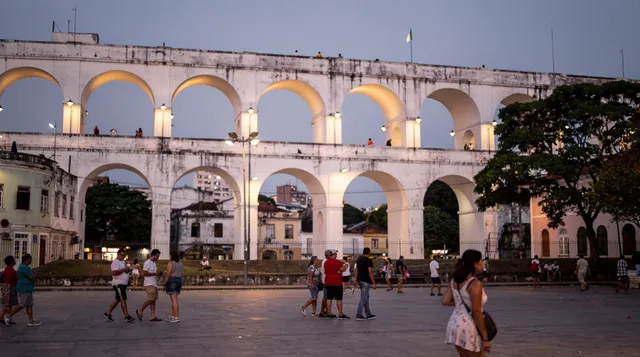
Rio Samba Bus: Hop-on Hop-off City Tour in Rio de Janeiro

samba class in Ipanema
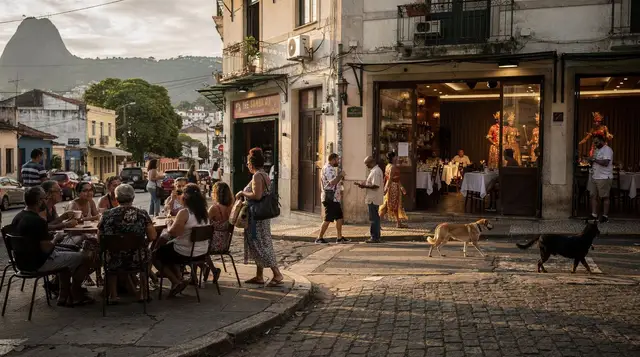
Hop-ON Hop-OFF Sightseeing Bus in Rio de Janeiro – Rio Samba Bus
Photos show the destination, not the operator's own pictures.