
The Rio Carnival week itinerary
What actually happens during Carnival week in Rio, day by day? Street blocos build through the week leading up to the main event, the Sambadrome parades run on two specific nights, and a large share of the ordinary city — offices, some restaurants, entire neighbourhoods’ normal rhythm — shuts down or shifts around it. This itinerary is built for that reality, not the postcard version, and it’s honest about the one thing most Carnival guides bury: this week is expensive, crowded, and runs on its own schedule, not yours.
| Where | Ipanema, Copacabana, Lapa, Santa Teresa, Centro |
| Cost | around R$4,000–7,000+ pp for the full week |
| Time needed | 7 days |
| Getting there | Uber/taxi; expect longer queues and rerouted traffic |
| Best time | book months ahead — dates shift yearly with Easter |
Read this before you book anything
Carnival’s dates move every year, tied to Easter — it typically falls somewhere between mid-February and early March, and the exact week changes annually, so check current dates before locking in flights. Hotel prices in Zona Sul routinely triple or quadruple during Carnival week compared to an ordinary week, and many hotels enforce minimum-stay requirements across the period — this is why this itinerary is tagged luxury-budget even though the activities themselves aren’t inherently expensive: the accommodation premium alone reshapes the cost of the trip. Carnival dates and planning has the specifics for booking timing.
Where to stay for Carnival week
Zona Sul remains the practical base, but the calculus shifts during Carnival specifically. Copacabana puts you closest to several major bloco routes and within walking distance of the beach for daytime recovery, but it’s also one of the loudest, busiest neighbourhoods all week — expect noise well past midnight even from your hotel room. Ipanema and Leblon run marginally calmer, though “calm” is relative during Carnival anywhere in Zona Sul.
Book as early as you can, ideally months ahead — availability disappears well before price alone would suggest, since many properties block out rooms for Carnival-specific packages or minimum-stay bookings. Where to stay in Rio covers the neighbourhood trade-offs for an ordinary week as a baseline comparison.
What “Carnival week” actually means
Carnival isn’t one event — it’s a build-up. Street blocos (organised, informal parades with live music, open to anyone) run for roughly two weeks before the main event, growing in size and frequency as the week itself approaches. The Sambadrome parades — the elaborate, competitive samba school processions most people picture when they think of Rio Carnival — happen on two specific nights, traditionally the Sunday and Monday before Ash Wednesday, plus a smaller “champions’ parade” the following Saturday for the top schools. Everything else — bars, restaurants, shops — either leans into the week (extended hours, special menus) or closes for it entirely, particularly smaller family-run businesses whose owners are themselves out at blocos.
Days 1–2 — arrival and blocos
Arrive a few days before the Sambadrome parades if you can; the blocos in the run-up are, for many visitors, more fun than the parades themselves — free, spontaneous, and genuinely mixed between locals and tourists rather than a ticketed spectator event.
Finding blocos: they follow published routes and start times, typically gathering by early-to-mid afternoon and moving through a neighbourhood for two to three hours. Ipanema, Copacabana, and Santa Teresa each host well-known blocos with different characters — Ipanema’s tend to be larger and more international, Santa Teresa’s smaller and more local.
A guided Carnival blocos experience is worth considering for your first bloco specifically, since a guide who knows the route and timing removes the biggest first-timer risk: showing up to the wrong starting point or missing the window entirely. The Carnival blocos guide covers the independent version, and what to wear at Carnival is worth reading before your first one — costume is genuinely part of the culture here, not optional tourist theatre.
Evenings: Lapa runs its own Carnival-adjacent energy even outside scheduled blocos — expect the neighbourhood’s usual samba clubs to be busier and louder than an ordinary week, with street crowds spilling well beyond the venues themselves.
Days 3–4 — samba school rehearsals and more blocos
If the Sambadrome parades themselves are still days away, a samba school rehearsal is the best way to see the scale and craft behind Carnival without the crowds or the ticket price of parade night. Salgueiro samba school rehearsal tour visits one of Rio’s most decorated schools during its pre-Carnival rehearsal season, which typically runs on weekend nights in the weeks leading up to the parades themselves — check exact dates, since rehearsals wind down as the parades approach. The samba school rehearsals guide covers what to expect and how rehearsals differ from the polished Sambadrome performance.
Continue catching blocos through these days as your energy allows — this is genuinely a tiring week, and pacing yourself matters more here than in any other itinerary on this site.
Day 5 — Sambadrome night one
The first of the two main parade nights. Each samba school gets roughly 60–70 minutes to move the full length of the Sambadrome — the purpose-built parade avenue in Centro — with thousands of costumed performers, elaborate floats, and a live percussion section (bateria) driving the whole thing. Parades run through the night, typically starting in the evening and continuing until dawn.
Sambadrome parade viewing ticket is the essential booking for this itinerary — seating sections vary hugely in price and comfort, from grandstand (arquibancada) seats to more expensive box seating (camarote) with better sightlines and amenities. The Sambadrome tickets guide breaks down the sector system in detail; book well ahead, since good sections sell out months in advance.
Eat and rest before you go — the parade runs long, seating can mean hours without easy access to food, and most visitors underestimate how physically demanding an all-night event is on top of a week of blocos already behind them.
Day 6 — recovery, then Sambadrome night two
Treat this as a genuinely light day. A late morning, a slow beach afternoon if the crowds allow it, and minimal plans before the second parade night, which follows the same format as the first with a different set of samba schools competing. Trying to sightsee heavily between two Sambadrome nights is the single most common way visitors burn out mid-Carnival.
Day 7 — Ash Wednesday and the days after
Ash Wednesday marks the formal end of Carnival, and the city’s mood shifts abruptly — many businesses that extended their hours through the week return to normal or stay closed for an extra day or two to recover. This is not a good day to plan an activity-heavy schedule; treat it as a transition day, whether you’re flying out or extending your stay into the calmer week that follows.
What stays open, and what doesn’t
Zona Sul’s tourist-facing restaurants, hotels, and beach kiosks generally stay open and busy throughout — Carnival is good business for them. Smaller neighbourhood botecos, family-run shops, and many offices close, sometimes for the better part of two weeks, as owners and staff participate in blocos and rehearsals themselves. Museums and some guided-tour operators reduce their schedules or close entirely around the Sambadrome nights specifically. Don’t assume a normal Rio itinerary’s opening hours apply this week — check ahead for anything not explicitly built around Carnival itself.
What to pack for a week of blocos
Closed, comfortable shoes rather than sandals — dense crowds and hours on your feet make open footwear both uncomfortable and a genuine injury risk. A small cross-body bag rather than a backpack, sized for just phone, cash, and ID, worn to the front in any crowd. Sun protection matters more than usual, since blocos run through the hottest part of the day in Brazil’s summer — a hat and reapplied sunscreen beat a sunburn that follows you through the rest of the week.
Skip anything valuable you’d be upset to lose or have stolen; this is not the week to wear real jewellery or carry an expensive camera loose in your hand. What to pack for Rio covers the rest of a normal packing list, on top of which these Carnival-specific items sit.
Avoiding the tourist-trap version of Carnival
Costume vendors and street stalls around the busiest bloco routes and the Sambadrome area mark prices up heavily for anything obviously aimed at tourists — a simple bloco costume element (face paint, a themed t-shirt, glitter) is genuinely cheap if bought from an ordinary shop away from the peak crowd zones a day or two before you need it, rather than from a stall directly on a bloco route at the last minute. Similarly, “VIP” Sambadrome packages sold aggressively online in the run-up to Carnival vary wildly in what they actually deliver — the Sambadrome tickets guide explains the official sector system so you can judge whether a given package’s price matches what it claims to include.
Traveling solo versus with a group during Carnival
Both work, but the logistics differ. Solo travellers get more flexibility to follow whichever bloco looks best that afternoon, and Carnival’s crowds mean it’s easy to end up chatting with other travellers or locals without seeking it out — this is one of the more social weeks to be alone in Rio. Groups have the advantage of splitting hotel and transport costs during the week’s steepest price premium, and a pre-agreed meeting point matters more with a group specifically, since it’s easy to get separated in the largest blocos and much harder to reconnect by phone once you’re inside a dense crowd. Solo travel in Rio covers the broader picture beyond Carnival week specifically.
Carnival safety
Crowds are the dominant safety factor, not crime specifically — blocos and the areas around the Sambadrome get genuinely dense, and petty theft (phones, wallets) rises accordingly in tightly packed crowds. Keep valuables minimal and secured — a cross-body bag worn to the front, not a back pocket — and agree a meeting point with anyone you’re travelling with in case you’re separated in a crowd, since phone signal can be unreliable in the densest bloco crowds.
Drink water consistently; dehydration in the Brazilian summer heat, combined with alcohol and hours on your feet, is a more common problem than any crime statistic. The Carnival safety guide covers crowd-specific advice in more depth than the general Rio safety guide.
Budgeting Carnival week
This is the most expensive week to visit Rio by a wide margin. Figure R$4,000–7,000+ (roughly USD 800–1,400+) per person for a full week including inflated accommodation, Sambadrome tickets in a mid-tier section, and the general cost premium that applies to food and transport across the week. Book accommodation and Sambadrome tickets as early as possible — prices only rise as the date approaches, and minimum-stay requirements at many hotels mean last-minute planning can fail entirely, not just cost more. How much does Rio cost covers ordinary-week pricing for comparison.
Eating and drinking through the week
Restaurants near major bloco routes get genuinely overwhelmed at peak times — expect long waits or reduced menus at anywhere directly on a route during a bloco’s active hours, and plan meals around that rather than against it.
Street food vendors along bloco routes are a normal, reasonably priced way to eat through the day; grilled meat skewers, coxinha (fried chicken croquettes), and cold beer from a cooler are the standard fare and rarely a health risk if you’re choosing a vendor with a visible queue of locals. Hydration matters as much as food — alternate alcohol with water consistently through a long bloco afternoon, since the combination of heat, dancing, and drinking is the most common reason visitors cut their own Carnival short. Street food in Rio and the caipirinha and cachaça guide cover more.
If Carnival isn’t quite what you want
Some travellers want the energy of Rio’s biggest week without the Sambadrome crowds or the premium pricing. Carnival without the Sambadrome covers a lighter version built around blocos alone, and Carnival versus New Year’s Eve is worth reading if you’re deciding which of Rio’s two biggest annual events suits your trip better — New Year’s Eve on Copacabana beach is a single, more contained night rather than a demanding week.
Carnival week at a glance, day by day
| Days | Focus |
|---|---|
| 1–2 | Arrival, first blocos, Lapa evenings |
| 3–4 | Samba school rehearsals, more blocos, pacing yourself |
| 5 | Sambadrome night one |
| 6 | Recovery, then Sambadrome night two |
| 7 | Ash Wednesday transition, fly out or unwind |
Alternatives if the full week doesn’t fit your dates
Not every visitor can build a trip around exact Carnival dates, and a shorter version still works. Arriving just for the two Sambadrome nights plus a day either side captures the parades without the full week’s build-up cost — accommodation is still inflated, but for three or four nights rather than seven, which meaningfully changes the budget math.
Alternatively, arriving only for the bloco build-up and skipping the Sambadrome entirely is the cheaper, more spontaneous version many younger travellers actually prefer — blocos are free, and you avoid the single highest single-ticket cost of the week. Carnival dates and planning covers how to work backward from your available dates to the version of the week that fits.
If you’ve never seen a bloco before
The scale surprises most first-timers — some of Rio’s largest blocos draw crowds in the hundreds of thousands, more a moving street festival than anything resembling a parade you’d watch from the side. Expect to be inside the crowd, not observing it from a distance; that’s the entire point, and it’s worth adjusting your expectations before your first one rather than being caught off guard by how immersive and physically close-packed it gets. Smaller neighbourhood blocos, often less publicised online, tend to have a calmer, more local feel if the scale of the biggest ones sounds overwhelming — ask at your hotel or hostel, since word of mouth is often more current than any published schedule this far in advance.
Frequently asked questions about Carnival in Rio
When exactly does Carnival happen?
The dates shift every year with Easter, typically landing somewhere between mid-February and early March. Carnival dates and planning has the mechanism for working out any given year’s dates and the booking timeline that follows from them.
Do I need Sambadrome tickets, or can I just watch the blocos?
Blocos are free and open to everyone, no ticket required. The Sambadrome parades are ticketed, seated events, and genuinely worth attending at least once if the scale and spectacle of Carnival is your main draw — but they’re not the only way to experience the week.
Is Rio Carnival safe for solo travellers?
Yes, with the crowd-specific precautions above taken seriously — minimal valuables, a plan for losing phone signal in dense crowds, and pacing yourself against a genuinely tiring week. Solo travel in Rio has broader guidance that applies year-round.
How much does a hotel cost during Carnival week compared to a normal week?
Expect roughly two to four times the normal Zona Sul rate, often with a minimum-stay requirement across the parade nights specifically. Booking as far ahead as possible is the only real lever available to manage this cost.
What should I wear to a bloco?
Costume is genuinely part of the culture — many locals dress in themed or colourful outfits specific to each bloco’s identity, though plain, comfortable, sweat-appropriate clothing is also completely normal. What to wear at Carnival covers both the costume culture and the practical basics (closed shoes are safer than sandals in a dense crowd).
Can I do a normal Rio sightseeing itinerary during Carnival week?
Not really — treat Carnival week as its own trip with its own itinerary, not an add-on to the standard multi-day itineraries on this site. Both mountains still operate, but expect longer queues, and the rest of a normal itinerary’s pacing doesn’t survive contact with blocos and Sambadrome nights.
Is it worth visiting Rio the week after Carnival instead?
For a calmer, cheaper trip with the city’s normal rhythm restored, yes. Rio off season and Carnival without the Sambadrome both cover lighter alternatives if the full Carnival week isn’t the trip you want.
Can I shorten this to a long weekend instead of the full week?
Yes — arriving for just the two Sambadrome nights plus a day either side is the most common compromise, and it cuts the accommodation premium down to three or four inflated nights instead of seven. You’ll miss most of the bloco build-up, which many repeat visitors say is the part they actually enjoyed most, so weigh that trade-off before shortening the trip.
What’s the difference between arquibancada and camarote seating?
Arquibancada is grandstand seating — bleacher-style, more affordable, and still a genuine view of the parade. Camarote is box seating, pricier, with better sightlines, service, and often food and drink included. The Sambadrome tickets guide breaks down which sectors suit a first-timer versus a Carnival veteran chasing the best possible view.
Are the Sambadrome parades worth the cost if I’ve already seen blocos?
For most first-timers, yes — the Sambadrome is a genuinely different experience from a bloco: a seated, produced spectacle rather than a participatory street party, and the scale of the floats and bateria isn’t something blocos replicate. If budget is the deciding factor and you’ve already had a full bloco week, skipping the Sambadrome is a defensible cut, not a mistake.
tours.carnival
Verified deep-linked GetYourGuide tours. Book through these links and we earn a small commission at no cost to you.
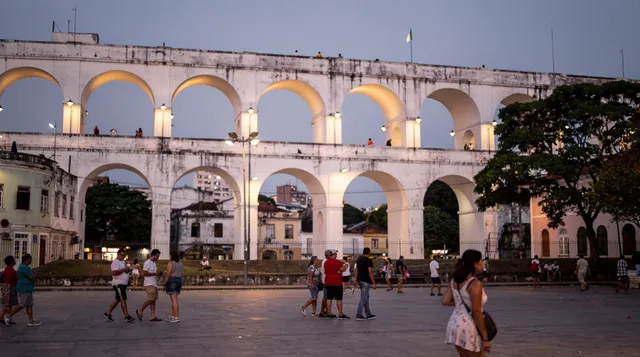
Rio Samba Bus: Hop-on Hop-off City Tour in Rio de Janeiro

samba class in Ipanema
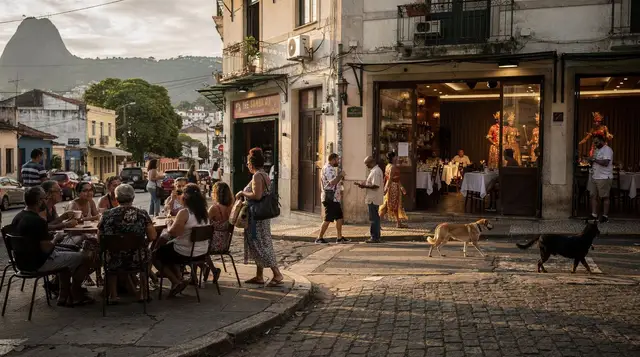
Hop-ON Hop-OFF Sightseeing Bus in Rio de Janeiro – Rio Samba Bus
Photos show the destination, not the operator's own pictures.