
What to wear at Rio Carnival — the abadá, the fantasia, and the practical reality
What should I actually wear to Carnival in Rio?
For a bloco, comfortable closed shoes, minimal loose clothing, and as little as you're carrying — a costume element (face paint, a wig, a themed shirt) if you want one, but nothing elaborate that can't survive heat and a packed crowd. For the Sambadrome, your ticket sector's dress norm is casual, not formal — comfort for hours in the heat matters more than looking sharp.
| Bloco outfit | Comfortable closed shoes, loose breathable clothing, minimal costume element |
| Sambadrome outfit | Casual, no dress code, a light layer for after midnight |
| Abadá cost | R$80-250 (US$16-50), optional |
| Carry | Crossbody bag worn in front, minimal cash, one card, phone |
| Rain gear | A packable poncho and a phone pouch — genuinely not optional in Carnival’s wet season |
Rio’s own residents take Carnival dress far less seriously than the postcard image suggests — the oversized headdress and full sequinned costume you picture from photographs mostly belongs to the performers actually parading, not the crowd watching from the stands or joining a bloco on the street. Most visitors are better served by planning for comfort and practicality first, and layering in as much or as little costume as they actually want on top of that foundation, rather than treating an elaborate outfit as a requirement for the week to count.
Two different dress codes, because it’s two different events
What you wear to a bloco and what you wear to the Sambadrome are genuinely different questions, because they’re different physical environments. A bloco is hours of standing and slow walking in an open, often sun-exposed street, in a dense crowd.
The Sambadrome is hours of sitting (or standing, in the cheaper sectors) in a concrete grandstand, overnight, with much of that time in the dark. Heat, sun, and crowd density matter more for a bloco; hours-long comfort and warmth after midnight matter more for the Sambadrome. Neither has a strict dress code in the way a formal event would, but both punish the wrong choice hard enough that it’s worth thinking through in advance.
The abadá, explained
An abadá is a branded shirt or tank top sold by some of the bigger, more organised blocos — buying one gets you into a roped-off area near the sound truck with its own bar and toilets, and functions partly as a soft ticket, partly as a fundraiser for the bloco’s organisers. It is entirely optional: the large majority of blocos have no abadá at all, and even the ones that sell one don’t require it to join the crowd around the truck.
If you do buy one, prices are modest — typically R$80-250 (roughly US$16-50) depending on the bloco’s size and reputation — and it doubles as a genuinely useful souvenir, since most are printed with the bloco’s name and year. Buy directly from the bloco’s official channel or an authorised seller rather than a street tout on the day, for the same counterfeit-ticket reasons that apply to Sambadrome tickets.
The fantasia: costume, not requirement
A fantasia is a Carnival costume, and Rio’s version of costume culture is far looser than a themed party back home might suggest. Nobody expects a first-time visitor to arrive in an elaborate, handmade outfit — plenty of locals wear ordinary clothes with a small costume element (glitter, face paint, a wig, a printed shirt) rather than a full look.
If you want to go further, market stalls across the city — especially the Saara district in Centro — sell everything from a R$20 wig to a full sequinned costume in the weeks before Carnival, and rental options exist for anyone who doesn’t want to buy something they’ll wear once. The honest practical note: an elaborate costume in direct sun, worn for four hours in a packed crowd, is a genuinely different proposition from one worn for a few photos — think about how long you’ll actually be wearing it, not just how it looks in a mirror.
A Carnival parade costume experience with transfer is worth it if you want the full Sambadrome costume experience — a properly fitted parade costume, not a market-stall fantasia — without committing to a full year’s samba school membership; it’s the closest a visitor can get to actually being part of the parade rather than watching it.
Heat is the real dress-code enemy
Rio’s Carnival season sits in the hottest, most humid stretch of the year, and heat exhaustion — not crime — is the single most common medical issue at blocos and the Sambadrome alike. Loose, breathable, light-coloured clothing beats anything tight or synthetic. A hat or cap for daytime blocos matters more than most visitors expect, given hours of direct sun with limited shade along most routes. Reapply sunscreen, not just once in the morning — a sweat-and-crowd afternoon wears it off faster than a normal beach day. None of this is glamorous advice, but it’s the difference between enjoying the fourth hour of a bloco and cutting your day short.
Footwear: the detail that actually matters
Closed, comfortable shoes you don’t mind getting dirty or wet are the single best footwear choice for a bloco — sandals are common and not wrong, but hours in a dense, slow-moving crowd of a hundred thousand people will find exposed toes eventually, whether from a dropped drink, a stepped-on foot, or simple fatigue. For the Sambadrome, comfort over hours sitting on a narrow bench matters more than appearance — trainers or comfortable flats beat anything you’d need to break in. Whatever you wear, break it in before Carnival week, not during it.
What to actually carry, and in what
Carry as little as possible, and carry it close to your body. A small crossbody bag worn across the front, not a backpack (which is out of sight and easy to open in a packed crowd), holds what you genuinely need: minimal cash, one card, phone, sunscreen. Leave jewellery, a second card, and your passport at the hotel — a photo of your ID on your phone is enough for an ordinary day. Full behavioural detail on carrying valuables safely through Carnival crowds specifically is in Carnival safety, which builds on the general “beach kit” principle from the Rio safety guide.
Layering for a Sambadrome night
Sambadrome nights run past 4am, and while daytime heat is real, the concrete grandstands cool noticeably after midnight, especially in sectors with any breeze off the surrounding streets. A light layer — a thin jacket or long-sleeve top — that you can carry folded during the hot early evening and put on later is worth the minor inconvenience of carrying it. Skip anything heavy or bulky; you’re not dressing for cold, just for the difference between 9pm heat and 3am chill.
Choosing colours and themes without overthinking it
Some blocos have a loose colour or theme tied to their name or history — worth a quick check before you pick an outfit if you want to feel like part of the crowd rather than clashing against it, though it’s genuinely not enforced and nobody will turn you away for wearing the wrong colour.
White is a safe, common default across many blocos and doesn’t run the risk of clashing with a theme you didn’t know about; it also photographs well against the colourful crowd around you, which is part of why so many locals default to it without overthinking the choice further. If a specific bloco does have a well-known colour association, a quick search or a question to your hotel the day before is enough — this isn’t something worth spending real planning time on.
Behind the scenes: seeing a real costume up close
If you want to understand what a genuine parade costume actually involves — the scale, the handwork, the sheer weight some performers carry for a 70-minute route — a behind-the-scenes visit to where schools build their float and costume production is worth the detour from the market-stall version of a fantasia. A Carnival behind-the-scenes experience shows the production side of what ends up on the Sambadrome floor — useful context before or after you see the finished parade, and a genuinely different kind of Carnival souvenir than a shirt from a market stall.
A simple packing list for Carnival week
Beyond the general Rio packing list — covered fully in what to pack for Rio — a few Carnival-specific items are worth adding: a small crossbody bag, a portable phone charger (queues and long nights drain batteries fast and charging points are scarce mid-crowd), a lightweight rain layer given how common a sudden downpour is during Carnival season, a printed or downloaded copy of any Sambadrome ticket in case connectivity drops, and cash in small denominations rather than large notes vendors can’t break. None of this is exotic — it’s the same logic as packing for any hot, crowded, unpredictable outdoor event, just applied at Rio’s scale.
Rain gear is not optional
Carnival sits squarely inside Rio’s wet season, and a sudden tropical downpour mid-bloco or mid-parade is common enough to plan around rather than hope against. A cheap poncho or packable rain layer, and a waterproof pouch for your phone, are worth the small amount of extra bag space — leather shoes and anything that can’t handle a soaking are the wrong choice for exactly this reason. See what to do in Rio when it rains and Rio in the rain for the broader picture of how the city handles a downpour outside Carnival specifically.
Costumes for kids
If you’re bringing children to a family-friendly daytime bloco, a simple costume element — face paint, a small themed accessory — works better than anything elaborate a child will want to remove within the hour. Prioritise the same heat and hydration logic that applies to adults, scaled down, and see Rio with kids for which blocos and events actually suit a family day out versus which don’t.
Where to shop for a fantasia in Rio
Beyond Saara in Centro Histórico, smaller costume and craft stalls pop up seasonally in neighbourhoods closer to where the bigger blocos run, including around Santa Teresa ahead of Céu na Terra and Carmelitas. Prices and selection are best the further ahead of Carnival week you shop — the same last-minute surge that hits Sambadrome tickets and hotel rates hits costume stalls too, covered in Carnival dates and planning.
Sunscreen, hydration, and the gear that isn’t glamorous but matters
Beyond the clothing itself, a handful of unglamorous items make the real difference between enjoying hour four of a bloco and cutting the day short. Mineral or water-resistant sunscreen holds up far better than a standard formula under hours of sweat and crowd contact, and reapplying from a small, carriable tube — not just once in the morning — matters more at Carnival than on an ordinary beach day, given how much the afternoon heat and the packed crowd wear it off.
A collapsible water bottle refilled at any bar or kiosk along the route beats relying entirely on bought drinks, both for cost and for staying ahead of dehydration in a crowd where finding shade isn’t always possible. A small battery pack is worth the bag space too — a dead phone mid-Carnival, whether for photos, payments, or simply staying in touch with your group, is a genuinely common and avoidable frustration.
What not to bother with
Skip anything you’d be upset to lose or damage — a bloco or a packed Sambadrome sector is not the place for a good watch, real jewellery, or a delicate outfit. Skip heels or anything that isn’t built for hours of standing and walking on uneven ground. Skip a full-size camera around your neck if you can manage a phone instead — see carnival safety for why that specific item draws unwanted attention in a crowd.
Dressing for a rehearsal versus a bloco
Worth a separate note: a samba school rehearsal calls for a different register than a bloco. Quadras are indoor community halls, not open streets — casual clothes work fine, dress is closer to a normal night out, and none of the heat-and-sun logic that dominates bloco planning applies in the same way. See samba school rehearsals for the fuller picture of what an ensaio actually involves, since the dress question is really a small part of a bigger difference in what the two events are.
Group outfits and matching with friends
Travelling as a group is common at Carnival, and matching or coordinated outfits — the same colour shirt, a shared themed accessory, an abadá bought together for the same bloco — genuinely help beyond just looking good in photos: a bright, consistent colour makes it far easier to spot each other across a packed crowd where phone signal and messaging can both lag. It doesn’t need to be elaborate; a simple shared colour scheme decided the night before does most of the practical work, and it’s a lighter lift than trying to coordinate a matching fantasia across a whole group with different budgets and comfort levels.
Renting versus buying a costume
For a single bloco or two, renting a fantasia is usually the better call — most costume rental stalls around Carnival season are set up for exactly this, quick fittings and short-term hire at a lower cost than buying something you’ll wear once. Buying makes more sense if you’re building a costume around a specific abadá or a bloco you plan to return to year after year, or if you want a proper souvenir to take home. Neither choice is wrong; the honest advice is to decide based on whether the outfit needs to survive multiple Carnivals or just one afternoon.
Sun, sweat, and staying comfortable across a multi-day week
Carnival week is rarely a single big day — it’s several, often back to back, and the cumulative effect of sun, heat, and long hours on your feet adds up in a way a single afternoon doesn’t. Rotate between at least two comfortable outfits rather than planning to rewear the same sweat-soaked clothes day after day, and don’t underestimate simple recovery time: an air-conditioned break midday between a rehearsal or bloco and a late Sambadrome night makes the whole week more sustainable. This is less about fashion and more about making sure day three of Carnival is as enjoyable as day one.
A short packing checklist, pulled together
To close the loop on everything above, a practical version worth screenshotting before you leave the hotel each Carnival day: closed comfortable shoes; a crossbody bag worn in front, not a backpack; minimal cash and one card; phone secured, not held out; sunscreen reapplied through the day; a light layer for a late Sambadrome night; a packable rain layer given the season; and no jewellery or anything you’d be genuinely upset to lose. None of it is complicated on its own — the value is having decided it in advance, once, rather than improvising the trade-offs every single morning of Carnival week.
Bloco vs Sambadrome, side by side
| Bloco | Sambadrome | |
|---|---|---|
| Setting | Open street, sun-exposed | Concrete grandstand, mostly overnight |
| Priority | Heat, sun, crowd density | Hours-long comfort, warmth after midnight |
| Footwear | Closed shoes, real tread | Trainers or comfortable flats |
| Layers | None needed by day | A light jacket for after midnight |
| Costume | Optional, small element common | Casual — no formal dress code |
Packing for the two events as if they were the same day out is the most common outfit mistake — a bloco rewards planning for heat and a packed crowd, while a Sambadrome night rewards planning for hours of sitting and a temperature drop well after most blocos have already wrapped up.
Frequently asked questions about what to wear at Carnival
Do I need to buy a fantasia to fit in at a bloco?
No — plenty of locals and visitors wear ordinary clothes with at most a small costume touch like face paint or a printed shirt. A full costume is a choice, not an expectation.
Is an abadá worth buying?
If a bloco you’re attending sells one and the price fits your budget, it’s a reasonable way to get a slightly calmer spot near the truck and a genuine souvenir. It’s not necessary to enjoy the bloco itself.
What should I wear to the Sambadrome specifically?
Casual, comfortable clothing suited to hours of sitting in heat that cools somewhat after midnight — a light layer for later in the night is worth carrying. There’s no formal dress code even in the pricier camarote boxes.
Is it safe to wear jewellery or bring a nice camera to a bloco?
Better to leave both at the hotel. Dense, distracted crowds are exactly the environment opportunistic theft targets, and visible valuables draw attention you don’t need — full detail in Carnival safety.
Where can I buy a fantasia or abadá in Rio?
Market stalls across the city sell costume pieces in the weeks before Carnival, with Saara in Centro being the best-known concentration of vendors. Buy abadás through the bloco’s official channel rather than an unofficial street seller.
What shoes work best for a full day at a bloco?
Closed, broken-in, comfortable shoes you don’t mind getting dirty. Sandals are common but genuinely riskier in a dense, slow-moving crowd over several hours.
Do I need sun protection even for an evening bloco?
Most blocos run partly or entirely in daylight, so yes — sunscreen and a hat matter for the majority of Carnival street events, not just the ones that start at midday.
Should I rent or buy a Carnival costume?
Rent for a single bloco or a short trip — it’s cheaper and there’s no reason to own a costume you’ll wear once. Buy if you’re planning to return, want a lasting souvenir, or are building a look around a specific abadá you’re keeping.
Can I wear the same fantasia to more than one bloco?
Yes — there’s no rule against it, and plenty of visitors and locals alike rewear a favourite costume piece across several blocos rather than buying something new for each one. Factor in how well it handles sweat, sun, and a wash between wears if you’re planning to.
How many outfits should I pack for a full Carnival week?
At least two or three you’re comfortable rotating through, given how much a single day’s heat and sweat can take out of one outfit. Factor in laundry access at your accommodation if you’re staying more than a few days, since Carnival week luggage tends to fill fast with costume pieces and souvenirs on top of normal clothing.
tours.carnival
Verified deep-linked GetYourGuide tours. Book through these links and we earn a small commission at no cost to you.
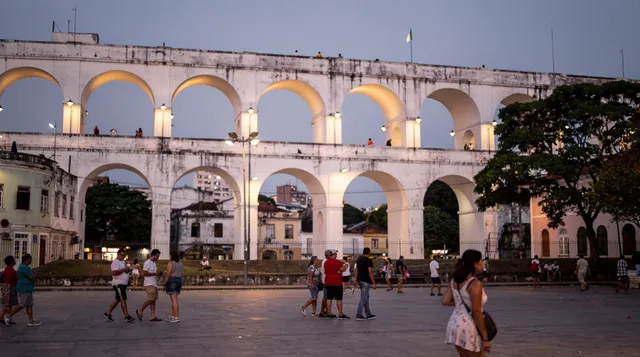
Rio Samba Bus: Hop-on Hop-off City Tour in Rio de Janeiro

samba class in Ipanema
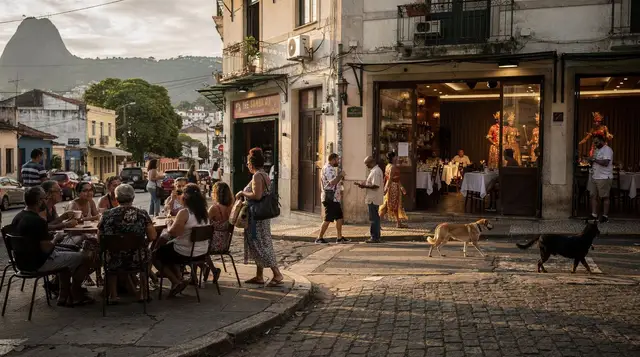
Hop-ON Hop-OFF Sightseeing Bus in Rio de Janeiro – Rio Samba Bus
Photos show the destination, not the operator's own pictures.