
Rio de Janeiro in seven days
What does a full week in Rio actually look like? Five days on the city core — both mountains, the beach, Santa Teresa, Centro, Lapa, and a real day trip — followed by two days and one night on the Costa Verde coast, at either Paraty or Ilha Grande. Seven days is the shortest stay where an overnight outside Rio fits without feeling rushed on either end, and this itinerary routes the whole week.
| Where | Rio city core plus Paraty or Ilha Grande overnight |
| Cost | around R$2,500–3,600 pp, overnight adds R$500–900 |
| Time needed | 7 days |
| Getting there | shared van or bus/boat transfer for the coastal leg |
| Best time | decide Paraty vs. Ilha Grande the evening before, by forecast |
Why an overnight, not a day trip
Rio in five days already covers a single day trip to Petrópolis or Arraial do Cabo — a full day, there and back. Ilha Grande and Paraty don’t work the same way: Ilha Grande requires a boat crossing from Angra dos Reis or Mangaratiba on top of the road transfer, and Paraty is a genuine 4-hour drive each way. Attempting either as a same-day round trip from Rio means spending more of the day in transit than on the ground — the day-trip-or-overnight breakdown covers the math in detail. Given two extra days, the honest routing is one night away, not a rushed there-and-back.
Days 1–5: the city core
Day 1 — Corcovado in the morning (Christ the Redeemer entry ticket by Corcovado train), Ipanema beach in the afternoon.
Day 2 — Sugarloaf in the morning (Sugarloaf cable car ticket), a free afternoon, Lapa’s samba clubs at night.
Day 3 — The Santa Teresa tram, the Escadaria Selarón, and Centro at a slower pace.
Day 4 — Tijuca National Park’s forest and waterfalls, or a Niterói half-day.
Day 5 — Petrópolis or Arraial do Cabo as a full day trip, back in Rio by evening.
Each of these follows the same routing as the shorter itineraries in this series — rio in three days, rio in four days, and rio in five days cover the hour-by-hour detail for each of these five days.
Where to stay across the week
For Days 1–5, Zona Sul — Copacabana, Ipanema, or Leblon — remains the right base, for the same reasons it works across every shorter itinerary in this series: proximity to Cosme Velho and Urca for the mountain mornings, and to the beach for downtime. Where to stay in Rio covers the neighbourhood trade-offs in full. For the overnight, Paraty’s historic centre has small pousadas (guesthouses) within the colonial core itself, worth booking ahead in high season; Ilha Grande’s main village, Vila do Abraão, is the practical base — it’s the island’s only real transport hub, and staying there keeps the Lopes Mendes hike and your return boat both within easy reach.
A realistic seven-day timeline
| Day | Focus |
|---|---|
| Day 1 | Corcovado morning, beach afternoon |
| Day 2 | Sugarloaf morning, free afternoon, Lapa at night |
| Day 3 | Santa Teresa, Escadaria Selarón, Centro |
| Day 4 | Tijuca National Park or Niterói half-day |
| Day 5 | Petrópolis or Arraial do Cabo day trip |
| Day 6 | Transfer to Paraty or Ilha Grande, arrival and a slow first evening |
| Day 7 | Full day on the coast, afternoon transfer back to Rio |
Treat Day 6 as a travel day, not a sightseeing day — the 3–4 hour transfer already takes a meaningful bite out of it, and arriving with low expectations for that first afternoon makes the actual full day (Day 7) feel like more of a payoff.
Day 6 — departure to the Costa Verde
7:30am — Leave your Rio hotel, ideally checking out and storing any excess luggage rather than hauling everything to the coast — most hotels will hold bags for a returning guest, and a lighter pack matters more here than anywhere else on this trip.
For Paraty: buses run from Novo Rio rodoviária roughly every hour or two and take about 4 hours; a shared van transfer is faster and picks up directly from your hotel. Shared transfer from Rio to Paraty is the straightforward option if you’d rather not manage the rodoviária.
For Ilha Grande: the route runs via Angra dos Reis or the closer Mangaratiba pier, then a boat crossing of 40 minutes to 1.5 hours depending on which port and boat type you use. Road transfer plus crossing runs 3–4 hours total. Ilha Grande transfer with a Lopes Mendes hiking day bundles the crossing with your first activity on the island.
Midday–evening: arrive, check into your overnight stay, and treat the rest of Day 6 as arrival and orientation rather than a packed activity list — both towns reward a slow first evening: a walk through Paraty’s cobbled colonial centre at dusk, or a first swim at Ilha Grande’s Vila do Abraão beach before dinner.
Day 7 — Paraty or Ilha Grande, then back
If in Paraty: a morning walking the historic centre — colonial churches, the waterfront, and the cachaça distilleries the region is known for — or a half-day schooner boat trip to the bay’s islands and snorkelling spots if you’d rather be on the water. The Paraty guide covers both. Depart by mid-afternoon for the drive back, arriving in Rio by early evening.
If on Ilha Grande: a morning hike to Lopes Mendes, regularly rated among Brazil’s best beaches and reachable only on foot or by boat — no roads or cars exist on most of the island. Depart on an early afternoon boat to make the connecting transfer back to Rio before dark, since the crossing and onward drive together take longer to reverse than they did outbound.
Choosing between Paraty and Ilha Grande
Paraty is the easier, more reliable choice — no boat crossing to weather-check, a genuine colonial town with restaurants and hotels beyond the beach, and a shorter total transfer time. Ilha Grande is the better choice if beaches and hiking matter more to you than architecture — Lopes Mendes is genuinely one of the best beaches in Brazil, and the absence of cars on the island gives it a quieter, slower feel than anywhere else on this itinerary. The full comparison weighs both in more depth, including which has the better food scene (Paraty) and which has the better swimming (Ilha Grande).
Eating on the coastal leg
Paraty’s restaurant scene is genuinely good by Brazilian small-town standards — seafood moqueca (a coconut-milk-based stew) is the dish to order, and several restaurants in the historic centre do it well. Ilha Grande’s Vila do Abraão has a simpler, more beach-town food scene: grilled fish, açaí bowls, and casual spots along the main strip rather than anything resembling fine dining — which suits the island’s generally unhurried, no-cars atmosphere. Both towns run on cash more than Rio does; card acceptance is improving but still patchy outside the main restaurants, so carry more reais than you think you’ll need. Money and payments in Rio covers this in more depth.
Common mistakes on a seven-day trip
Under-budgeting the transfer time is the most common one — both Paraty and Ilha Grande feel closer on a map than they are in practice, and travellers who plan Day 6 as a half-travel, half-sightseeing day routinely arrive too late to enjoy much of the afternoon. The second is skipping the overnight stay and attempting the whole Costa Verde leg as a long day trip instead, which technically works for Paraty but leaves almost no time on the ground and defeats the purpose of having budgeted two full days for it. The third is not confirming the return transfer the night before — schedules for shared vans and boats do shift, and reconfirming avoids a stressful scramble on your last coastal morning.
Budgeting seven days
Figure R$2,500–3,600 (roughly USD 500–720) per person across the full week, with the Costa Verde overnight adding roughly R$500–900 depending on transfer type and accommodation standard. How much does Rio cost breaks the city-core days down in detail; the day-trip-or-overnight guide compares the cost of an overnight against a rushed same-day attempt.
Packing for the overnight
A small overnight bag rather than your full suitcase — both Paraty’s cobbled streets and Ilha Grande’s car-free paths are genuinely awkward with rolling luggage. Swimwear, reef-safe sunscreen, and closed walking shoes for Lopes Mendes if you’re going to Ilha Grande; a light layer for Paraty’s occasionally breezy waterfront evenings. What to pack for Rio covers the rest of the week.
Getting between Rio and the Costa Verde without a car
Every leg of this itinerary runs on shared transport, consistent with how the rest of this site is routed — Rio isn’t a self-drive destination for most visitors, and the Costa Verde coast is no exception. Shared vans to Paraty depart Rio multiple times a day and drop directly at your accommodation; the same applies to Ilha Grande transfers via Angra dos Reis or Mangaratiba, which bundle the road leg and the boat crossing into a single booking so you’re not managing two separate tickets and a tight connection yourself.
Renting a car only makes sense if you’re extending well beyond a single overnight and plan to explore the wider Costa Verde region independently — for the scope of this itinerary, it adds cost and parking hassle without a real time saving. Car rental in Rio covers when it is worth it.
Safety and logistics for the coastal leg
Both towns are calm, low-crime destinations by Brazilian standards, and the transfer operators running this route daily are well established. The one real risk is timing: missing your return boat from Ilha Grande, or your return van from Paraty, turns a smooth week into a scramble, so confirm departure times the night before rather than assuming the schedule you booked weeks earlier still holds exactly. The general Rio safety guide covers the city days; neither coastal town needs a materially different approach.
Booking order for a seven-day trip
Book Corcovado and the Costa Verde overnight (whichever transfer and accommodation you choose) before anything else, since both are the two elements of this itinerary most likely to sell out or fill up in high season — Corcovado’s summit slots and Paraty or Ilha Grande’s limited pousada rooms both fill faster than the Day 4 or Day 5 add-ons. Sugarloaf, Tijuca, Niterói, and the Petrópolis or Arraial do Cabo day trip are all more forgiving on timing and can reasonably wait until a few days before, or even be decided once you’re in Rio and have a clearer read on the week’s weather.
Why not just add two more city days instead of the coast?
It’s a fair question, and for some travellers the answer is genuinely two more city days — more beach time, a second nightlife neighbourhood, or a slower pace through the sights already covered in Days 1–5. But Rio’s city core, thorough as this itinerary is, doesn’t change character much day to day: it’s mountains, beach, and history in varying combinations.
The Costa Verde overnight is categorically different — car-free islands, colonial architecture, water clarity the city beaches don’t have — and for most first-time visitors that contrast is worth more than a sixth beach afternoon. If you’d genuinely rather stay in the city the whole week, use rio in five days as your core and add a second day trip (Búzios, say, in place of the overnight) rather than repeating days wholesale.
Connectivity on the coastal leg
Mobile data noticeably thins out once you leave Rio for either coastal town. Paraty’s historic centre keeps reasonably reliable coverage, closer to what you’re used to in Zona Sul, but Ilha Grande’s signal is patchy outside Vila do Abraão itself and effectively nonexistent along most of the Lopes Mendes trail. Download offline maps and any information you’ll need for Day 7 before you leave Rio on Day 6, and treat the coastal overnight as the trip’s natural disconnected stretch rather than fighting it. Getting a SIM card in Brazil covers coverage expectations if you’re relying on a local SIM through the whole week.
Deciding between Paraty and Ilha Grande the night before
Neither choice requires locking in weeks ahead — both transfer operators run daily departures, and deciding on the evening of Day 5, once you have a clearer read on the week’s weather forecast, is perfectly workable. A wet-weather forecast tips the balance toward Paraty, where the historic centre and its restaurants offer real shelter; a clear, calm forecast favours Ilha Grande, where the boat crossing and the Lopes Mendes hike both depend more directly on good conditions.
Travelling this route with limited mobility or a fear of boats
Paraty is the more accommodating choice if boats or a rough crossing are a concern — the drive is a standard road transfer with no water leg, and the historic centre, while cobbled, is manageable at a slow pace with frequent stops. Ilha Grande genuinely requires a boat crossing with no road alternative, so anyone uneasy about open water is better served choosing Paraty outright rather than hoping the crossing turns out calm. The full comparison covers more of these practical trade-offs beyond just scenery.
Frequently asked questions about seven days in Rio
Should I choose Paraty or Ilha Grande for the overnight?
Paraty for reliability and a proper town beyond the beach; Ilha Grande for genuinely excellent hiking and swimming if you don’t mind the boat crossing and possible weather delays.
Is one night on the coast enough, or should I extend?
One night works for a taste of either place within a seven-day trip built primarily around Rio itself. If Costa Verde becomes the priority rather than an add-on, rio and Costa Verde is built around a much longer coastal stretch instead.
Can I do Petrópolis and the Costa Verde overnight in the same week?
Yes — that’s exactly this itinerary’s Day 5 and Days 6–7. The two don’t compete for time since Petrópolis is a single day trip and the coast is a separate two-day block.
What happens if bad weather delays the Ilha Grande boat crossing?
Crossings do occasionally pause in genuinely rough weather, more common outside the December–March window. Build a half-day buffer into your return if possible, and avoid booking a same-evening flight out of Rio on the day you’re due back from the island.
Is seven days enough to also add Búzios or Arraial do Cabo?
Not comfortably alongside a Costa Verde overnight — that would be three separate coastal destinations in one trip. If Região dos Lagos interests you more than Costa Verde, swap it in as the Day 6–7 destination instead rather than trying to add both.
How much walking is involved on the coastal days?
Paraty’s historic centre is flat and easy; Ilha Grande’s Lopes Mendes hike is a real trail, roughly 2–3 hours round trip over uneven forest ground, rewarding but not effortless. Neither requires special fitness, but comfortable shoes matter more on Ilha Grande.
What if I only want the Costa Verde overnight and not the full five-day city core?
That’s a reasonable trim if you’ve already spent time in Rio on a previous trip — keep Days 6 and 7 as written and shorten the city portion to two or three days instead of five, using rio in three days as the template for a tighter core.
Do I need a car for any part of this itinerary?
No — buses, shared transfers, and boats cover every leg of this itinerary, consistent with how the rest of the site is routed. Ilha Grande in particular has no roads for private cars on most of the island.
Is Paraty a better choice than Ilha Grande if I’m nervous about boats?
Yes, clearly — Paraty’s transfer is entirely road-based, while Ilha Grande has no alternative to the boat crossing. If open water is a genuine concern, choose Paraty rather than hoping for calm conditions.
Will I have phone signal during the coastal overnight?
Paraty generally keeps decent coverage; Ilha Grande’s signal is patchy outside Vila do Abraão and largely absent on the Lopes Mendes trail. Download anything you need offline before leaving Rio on Day 6.
Can I swap the Day 5 day trip for a second coastal night instead?
Yes, if Costa Verde interests you more than Petrópolis or Arraial do Cabo — drop Day 5’s day trip and extend the coastal overnight to two nights instead, giving Paraty or Ilha Grande more breathing room without changing the total trip length.
tours.7 days
Verified deep-linked GetYourGuide tours. Book through these links and we earn a small commission at no cost to you.

From Rio de Janeiro: Sugarloaf Mountain Tour with Cable Car

Boat Tour Open Bar A Floor Arraial do Cabo
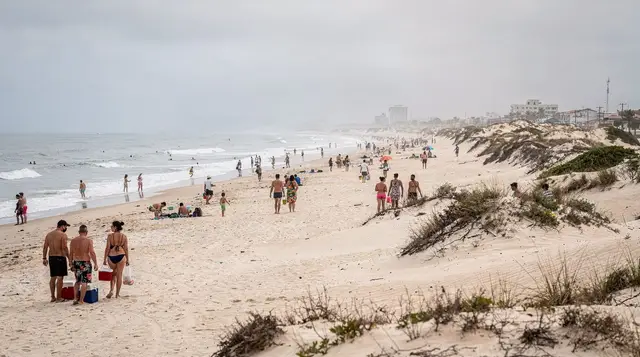
Rio de Janeiro: Arraial do Cabo Scuba Diving Day Trip
Photos show the destination, not the operator's own pictures.